Quick Answer
To remove adhesive residue, start with a gentle solvent like rubbing alcohol or vegetable oil. For tougher glue, use a plastic scraper and warm water. Always test first on a small area to avoid damage.
Key Takeaways
- Always test solvents on a hidden spot first
- Heat helps soften glue—use a hairdryer on low heat
- Never use metal tools on glass or mirrors
- Removing price tags from new clothes
- Cleaning glue off wooden furniture
What Adhesive removal means in practice
Adhesive removal is about getting sticky residue off surfaces—like tape, stickers, or glue—without scratching or harming the material underneath. It’s useful for cleaning car windows, removing labels from shoes, or fixing up old furniture.
Quick answer
To remove adhesive residue, start with a gentle solvent like rubbing alcohol or vegetable oil. For tougher glue, use a plastic scraper and warm water. Always test first on a small area to avoid damage.
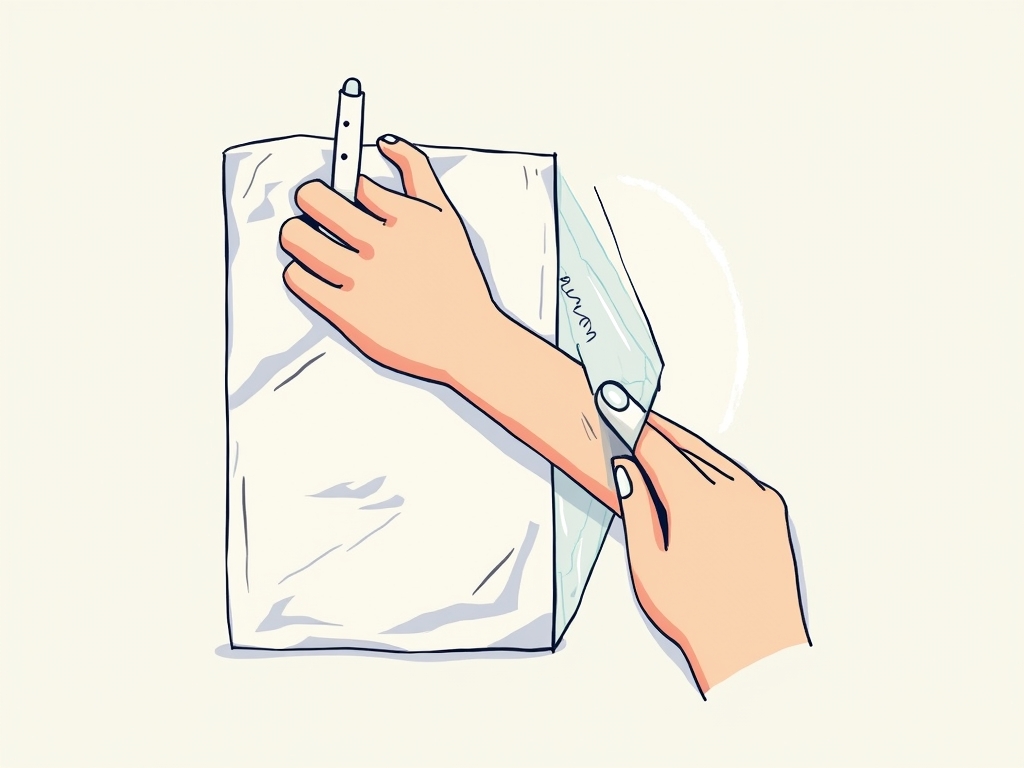
Remove Car Window Stickers Without Scratches
What You'll Need
VinegarMicrofiber clothBaking soda
1
Soak a cloth in vinegar
2
Press onto sticker for 2 minutes
3
Peel slowly at an angle
4
Rub remaining residue with baking soda paste
Troubleshooting & Solutions
Common Problems & Solutions
Why this happens
Adhesives often leave a thin, stubborn layer that doesn’t come off easily because it bonds tightly to the surface.
How to fix it
- 1Apply olive oil or baby oil to the residue
- 2Let sit for 5-10 minutes
- 3Gently rub with a microfiber cloth
- 4Wipe clean with soapy water
Mistakes to avoid
- Using sharp tools that scratch the surface
- Rushing and not letting solvents soak in
Frequently Asked Questions
Warm water + mild soap works best. Avoid acetone—it dries out skin.
Sources & References
- [1]Adhesive removal — Wikipedia
Wikipedia, 2026