Quick Answer
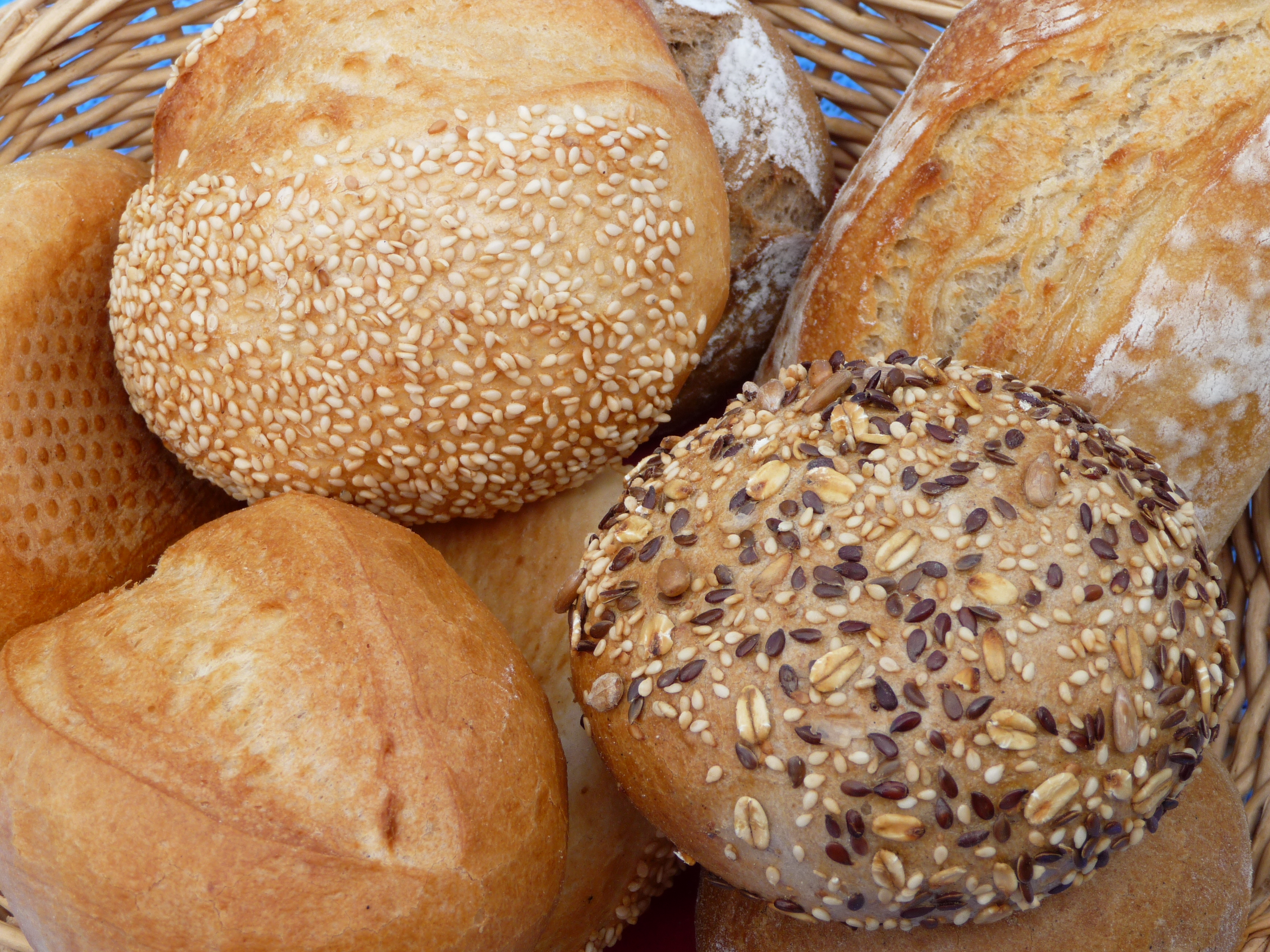
Bread is a simple staple made from flour, water, yeast, and salt. It’s easy to bake at home with basic tools and can be used for sandwiches, toast, or dipping. Proper storage keeps it fresh longer.
Key Takeaways
- Always measure flour by spooning into cup, not scooping
- Use a timer when rising so you don’t over-proof
- Keep kitchen tools clean to avoid killing yeast
- Make homemade grilled cheese sandwiches with crispy edges
- Tear into soup or stew as a rustic dipper
Plain English Explanation
In everyday life, bread is more than just food—it's a versatile base for meals, snacks, and gatherings. Whether you're feeding a family, hosting guests, or saving time in the kitchen, knowing how to make and use bread well saves money and boosts flavor. From whole wheat loaves to artisan sourdough, homemade bread connects you to tradition while giving you control over ingredients and taste.
Step-by-Step Guides
How to Bake Simple Homemade Bread
- Large mixing bowl
- Wooden spoon
- Measuring cups/spoons
- Wire rack
- Oven-safe pan
Step-by-step guide
- 1
Mix 3 cups flour, 1 tbsp sugar, 1 tsp salt, and 1 packet active dry yeast in bowl
- 2
Add 1 cup warm water and 2 tbsp oil; stir until soft dough forms
- 3
Knead on floured surface for 8–10 minutes until smooth and elastic
- 4
Place in oiled bowl, cover, and let rise in warm place for 1–1.5 hours until doubled
Common Problems & Solutions
Yeast may be expired, water too hot (kills yeast), or dough didn't get enough warm, draft-free space to proof.
- 1Use lukewarm water (100–110°F)
- 2Check expiration date of yeast
- 3Let dough rise in a warm spot like oven with light on
- 4Add a pinch of sugar to feed yeast
- Using boiling water
- Overmixing the dough
- Opening oven door too early during rising
Pros & Cons
Pros
- Affordable and uses simple pantry staples
- Freshly baked flavor beats store-bought
- Customizable with seeds, nuts, or spices
- Keeps well when stored properly
Cons
- Requires time and patience for rising
- Can go stale quickly if not stored right
- May not rise well in cool kitchens
- Needs consistent effort to master technique
Real-Life Applications
Make homemade grilled cheese sandwiches with crispy edges
Tear into soup or stew as a rustic dipper
Toast thick slices and spread with butter and jam
Use stale bread for French toast or croutons
Slice and freeze for quick breakfast toast
Beginner Tips
- Always measure flour by spooning into cup, not scooping
- Use a timer when rising so you don’t over-proof
- Keep kitchen tools clean to avoid killing yeast
- Try adding herbs or seeds for flavor without extra cost
- Practice with small loaves first before scaling up
Frequently Asked Questions
Up to 4–5 days at room temperature if stored in a paper bag or bread box.
Sources & References
- [1]Bread — Wikipedia
Wikipedia, 2026