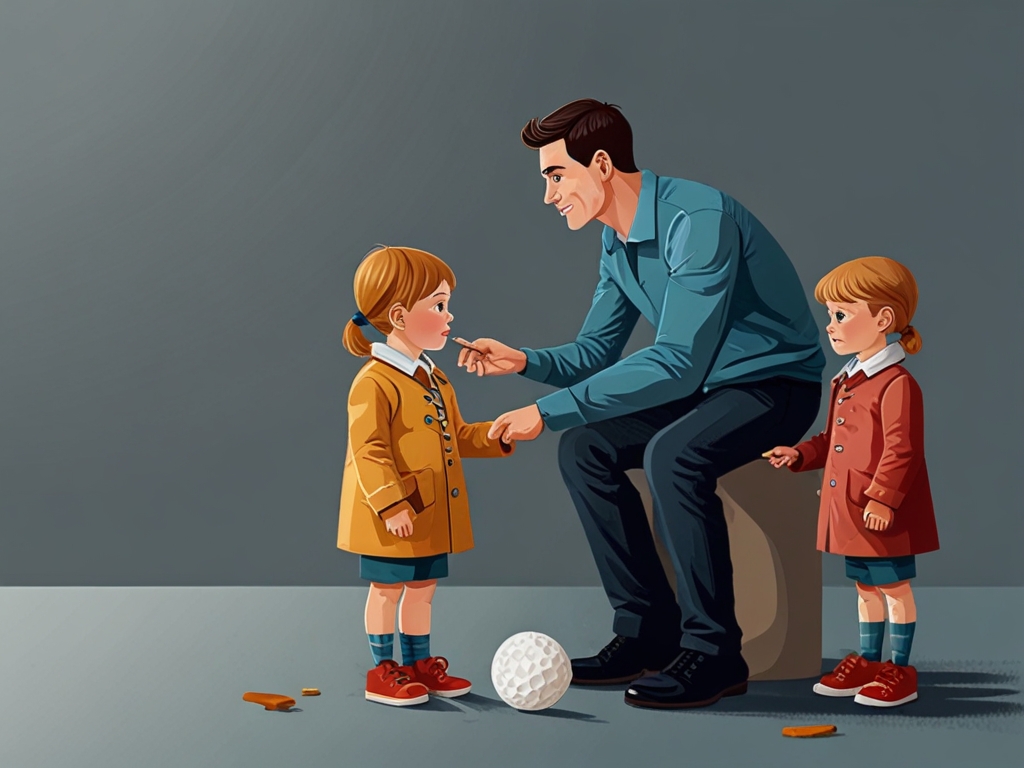
Quick Answer
Child discipline is about teaching good behavior through clear expectations, consistent consequences, and positive reinforcement—not punishment. Focus on guiding your child with empathy, calm communication, and age-appropriate boundaries to build self-control and respect.
Key Takeaways
- Pick your battles—consistency matters more than perfection
- Use ‘calm-down corners’ instead of time-outs for older kids
- Label emotions: 'You’re really mad because I said no—that makes sense'
- Teaching bedtime routines without power struggles
- Reducing whining by setting clear expectations ahead of time
What Child discipline means in practice
In real life, child discipline means helping kids learn right from wrong without yelling, spanking, or emotional manipulation. It’s about setting rules they can understand, staying calm when they break them, and praising effort over perfection. Think of it as coaching—not punishing.
Quick answer
Child discipline is about teaching good behavior through clear expectations, consistent consequences, and positive reinforcement—not punishment. Focus on guiding your child with empathy, calm communication, and age-appropriate boundaries to build self-control and respect.
Troubleshooting & Solutions
Common Problems & Solutions
Why this happens
Young children struggle with unpredictability and have limited impulse control; sudden changes trigger frustration because they can’t process emotions yet.
How to fix it
- 1Give a 5-minute warning before leaving ('We have 5 minutes left')
- 2Use a visual timer or song to signal the end
- 3Offer one choice: 'Do you want to walk or carry the toy?'
- 4Stay calm and firm—don’t argue, just redirect
Mistakes to avoid
- Yelling back
- Making empty threats
- Giving in to stop the meltdown
Frequently Asked Questions
No. Research shows spanking increases aggression, anxiety, and mental health issues later in life. Positive discipline builds better outcomes.
Sources & References
- [1]Child discipline — Wikipedia
Wikipedia, 2026