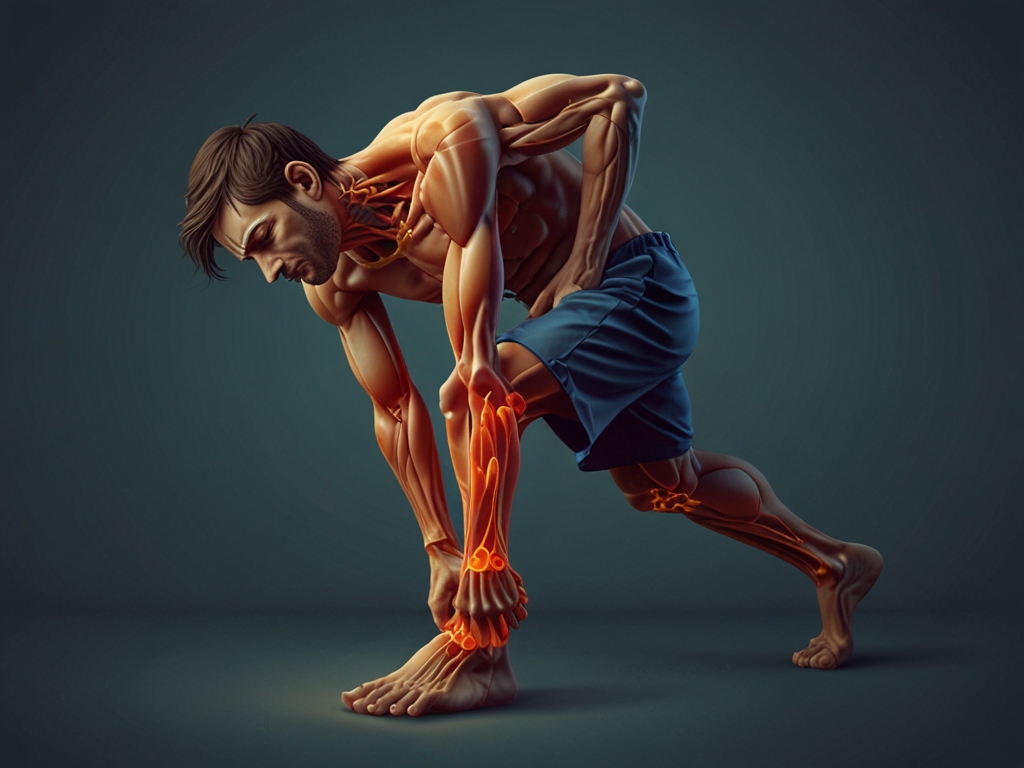
Quick Answer
Chronic pain is pain that lasts more than three months and doesn’t go away after healing. Unlike acute pain, it often has no clear cause and can affect your sleep, mood, and daily activities. The goal isn’t just to reduce pain, but to improve how you live despite it.
Key Takeaways
- Move gently every hour, even if it’s just shifting weight or rotating wrists.
- Stay hydrated—dehydration can make pain feel sharper.
- Avoid skipping meals; low blood sugar can worsen discomfort.
- Helps identify patterns in pain triggers (like weather, stress, or diet)
- Improves communication with doctors during appointments
What Chronic pain means in practice
In real life, chronic pain means living with discomfort that lingers long after an injury heals or without a known injury at all. It might feel like constant aching, burning, or stiffness that comes and goes. For many, it changes how they work, move, and enjoy life—making simple tasks harder. It’s not just about the pain itself, but how it affects your energy, relationships, and mental well-being.
Quick answer
Chronic pain is pain that lasts more than three months and doesn’t go away after healing. Unlike acute pain, it often has no clear cause and can affect your sleep, mood, and daily activities. The goal isn’t just to reduce pain, but to improve how you live despite it.
Troubleshooting & Solutions
Common Problems & Solutions
Why this happens
Chronic pain disrupts sleep because nerve signals don’t turn off, even when resting. Poor sleep then makes pain feel worse, creating a cycle.
How to fix it
- 1Try a consistent bedtime routine: dim lights, no screens 30 minutes before bed.
- 2Use pillows to support painful areas (e.g., under knees or neck).
- 3Consider over-the-counter sleep aids only if approved by a doctor.
Mistakes to avoid
- Using alcohol or sleeping pills regularly
- Sitting in one position too long before bed
When to seek help: See a pain specialist or sleep clinic if pain wakes you more than twice a week for over a month.
Frequently Asked Questions
Acute pain is short-term, usually from injury, and fades as healing happens. Chronic pain lasts beyond normal recovery time—often over 3 months—and may continue even after the original cause is gone.
Sources & References
- [1]Chronic pain — Wikipedia
Wikipedia, 2026