Quick Answer
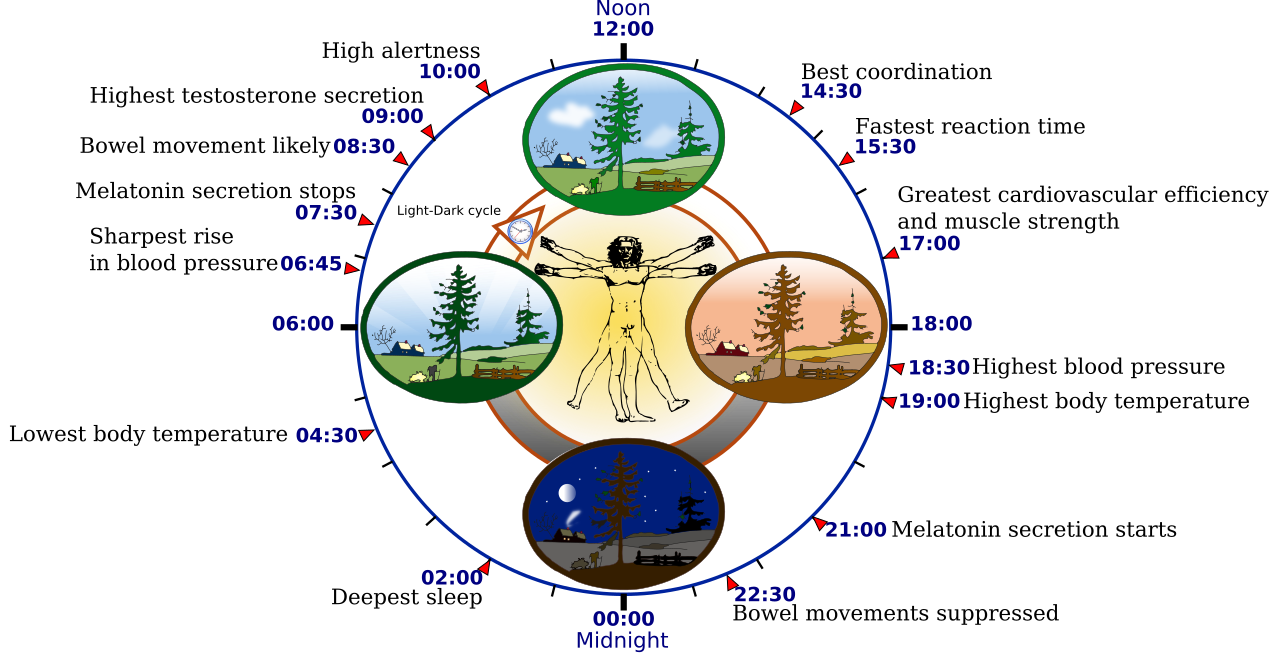
Your circadian rhythm is your body’s internal clock that regulates sleep, alertness, and metabolism over a 24-hour cycle. You can support it by keeping consistent sleep times, getting morning sunlight, and avoiding screens before bed.
Key Takeaways
- Wake up at the same time every day, even on weekends.
- Open curtains or go outside right after waking to signal your brain it's daytime.
- Use dim red lights at night—they don’t suppress melatonin as much as white light.
- Boosting workout performance by scheduling exercise during peak energy hours
- Improving focus and productivity by aligning tasks with your natural alertness cycles
How to Reset Your Circadian Rhythm After a Late Night
What You'll Need
Get bright light (preferably sunlight) within 30 minutes of waking.
Avoid screens and caffeine until mid-morning.
Eat your first meal within 2 hours of waking to reinforce alertness.
Keep your bedroom dark, cool, and quiet for better sleep the next night.
Troubleshooting & Solutions
Common Problems & Solutions
Your circadian rhythm may be delayed due to late-night screen use, irregular sleep times, or lack of morning light exposure, making it hard for your body to signal 'time to sleep'.
- 1Set a consistent bedtime and wake-up time every day, even on weekends.
- 2Avoid screens (phones, TVs) at least one hour before bed.
- 3Get 15–30 minutes of natural morning sunlight within an hour of waking.
- Using blue light filters alone instead of reducing screen time
- Napping too long or too late in the day
Frequently Asked Questions
It's your body’s internal 24-hour clock that controls when you feel sleepy, hungry, or alert—based on light and darkness signals.
Sources & References
- [1]Circadian rhythm — Wikipedia
Wikipedia, 2026