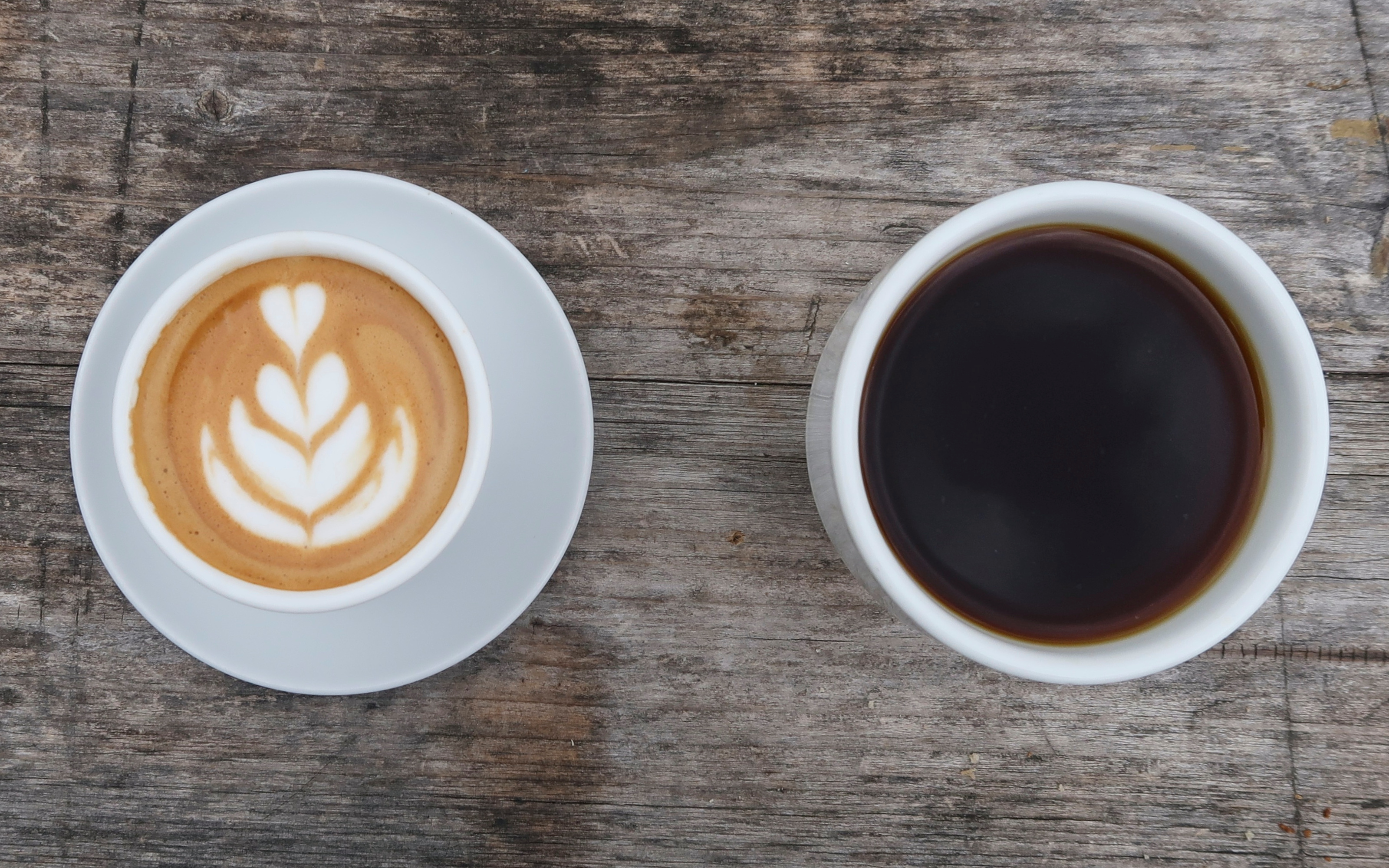
Quick Answer
Coffee is brewed from roasted and ground beans and is rich in caffeine, which gives it a stimulating effect. You can make it at home using various methods like drip, French press, or pour-over, but getting the grind, water temperature, and timing right makes all the difference.
Key Takeaways
- Always use freshly roasted coffee beans—check the roast date
- Invest in a good burr grinder; pre-ground coffee loses flavor fast
- Use filtered water for cleaner taste
- Boost energy and focus for studying or working
- Start your day with a warm, comforting ritual
Plain English Explanation
In real life, coffee isn't just a drink—it's part of your morning routine, a social ritual, and even a tool for productivity. Whether you're trying to wake up, stay focused during work, or enjoy a quiet moment, knowing how to brew and customize your coffee helps you get the best results with minimal effort.
Step-by-Step Guides
How to Make Perfect Pour-Over Coffee at Home
- Pour-over dripper
- Paper filters
- Gooseneck kettle
- Scale
- Timer
Step-by-step guide
- 1
Boil fresh water and heat your pour-over device and mug
- 2
Grind 30g of coffee to medium-fine consistency (like table salt)
- 3
Place a paper filter in the dripper, rinse it with hot water, then discard rinse water
- 4
Add coffee grounds, create a small well in the center, and start timer
How to Brew Stronger Coffee in a French Press
- French press
- Coarse burr grinder
- Timer
- Kettle
Step-by-step guide
- 1
Heat water to 200°F (93°C), not boiling
- 2
Coarsely grind 30g coffee per 500ml water
- 3
Add grounds to French press, pour in water, stir gently, and place lid without pressing
- 4
Steep for 4 minutes, then slowly press plunger down over 30 seconds
Common Problems & Solutions
This usually happens when the coffee grounds are too fine, the water is too hot, or the brew time is too long—over-extraction pulls out bitter compounds.
- 1Use coarser grind for your brewing method (e.g., medium-coarse for French press, medium for drip)
- 2Lower water temperature to around 195–205°F (90–96°C) instead of boiling
- 3Reduce brew time by adjusting contact time—faster pour-overs, shorter steeping for French press
- Using pre-ground coffee
- Reusing old grounds
- Brewing with hard water
Pros & Cons
Pros
- Natural energy boost from caffeine
- Rich flavor and aroma when brewed properly
- Versatile—can be hot or iced, sweetened or black
- Can improve mood and mental alertness
- Supports social connections over shared cups
Cons
- Can disrupt sleep if consumed late in the day
- May cause jitters or anxiety in sensitive individuals
- Acidic nature may upset stomach for some people
- Daily consumption can lead to dependency on caffeine
- Poorly brewed coffee can taste bitter or flat
Real-Life Applications
Boost energy and focus for studying or working
Start your day with a warm, comforting ritual
Enjoy as a social drink during meetings or catch-ups
Use leftover cold brew for iced coffee all week
Make coffee-based marinades for tenderizing meat
Beginner Tips
- Always use freshly roasted coffee beans—check the roast date
- Invest in a good burr grinder; pre-ground coffee loses flavor fast
- Use filtered water for cleaner taste
- Weigh your coffee and water (1:15 to 1:17 ratio is standard)
- Preheat your cup or mug to keep coffee hot longer
Frequently Asked Questions
A general rule is 1 to 2 tablespoons of coffee per 6 ounces of water, or about 1:15 to 1:17 coffee-to-water ratio by weight.
Sources & References
- [1]Coffee — Wikipedia
Wikipedia, 2026
