Quick Answer
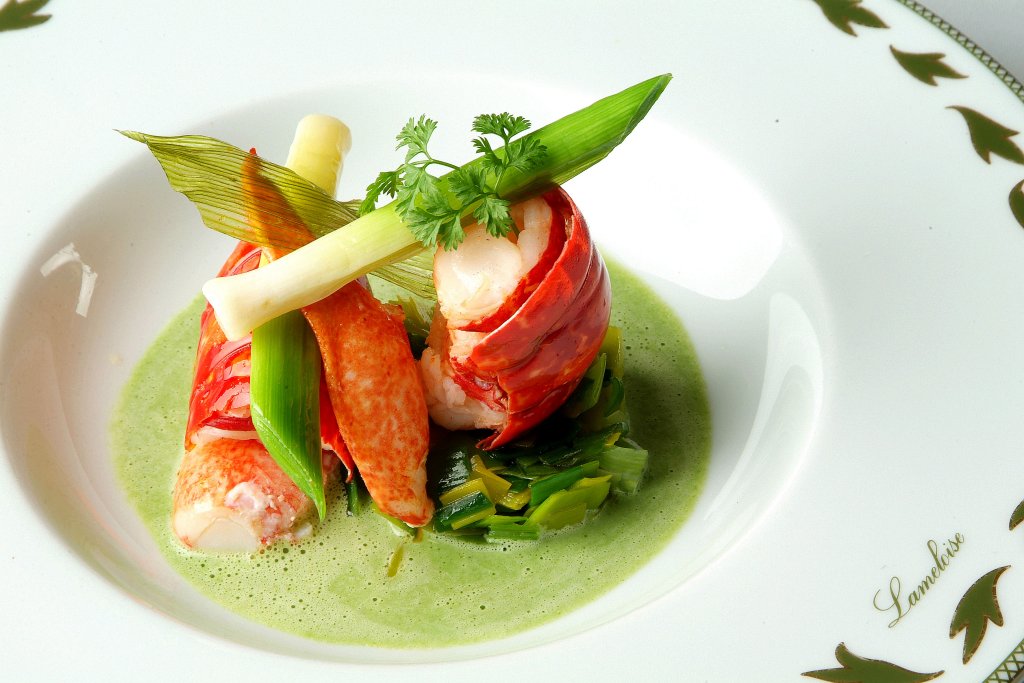
French cuisine emphasizes technique, quality ingredients, and balance. Mastering fundamentals like making a proper sauce or sautéing vegetables can transform everyday meals with elegant simplicity.
Key Takeaways
- Start with knife basics: learn how to julienne carrots or chop herbs evenly
- Always taste and adjust seasoning—salt is the most important ingredient
- Use a timer religiously; timing is crucial in French cooking
- Impressing guests at dinner parties with elegant yet achievable dishes
- Building confidence in the kitchen through structured techniques
Plain English Explanation
In real life, French cuisine means learning foundational skills such as knife work, making stocks and sauces, and timing proteins perfectly. It’s not about complicated recipes—it’s about precision and respect for ingredients that elevate simple foods into restaurant-quality dishes you can cook at home.
Step-by-Step Guides
How to Make a Classic Béarnaise Sauce
- Heatproof mixing bowl
- Whisk
- Small saucepan
- Fine mesh sieve
Step-by-step guide
- 1
Whisk egg yolks and a pinch of salt in a heatproof bowl
- 2
Place over a pot of simmering water (double boiler), whisking constantly
- 3
Slowly drizzle in clarified butter while whisking until emulsified
- 4
Finish with chopped tarragon, white pepper, and a squeeze of lemon
Common Problems & Solutions
Sauces often fail to reduce or emulsify due to incorrect roux consistency, adding liquid too early, or not reducing long enough.
- 1Ensure your roux is cooked to the right stage (e.g., blond for béchamel)
- 2Add warm liquid gradually while whisking constantly
- 3Simmer gently to reduce and thicken
- Adding cold liquid to hot roux
- Overcooking the roux until it browns too much
Pros & Cons
Pros
- Builds strong foundational cooking skills applicable worldwide
- Encourages use of fresh, high-quality ingredients
- Offers endless variety from rustic soups to refined desserts
Cons
- Can feel intimidating due to perceived complexity
- Requires patience for techniques like making stock or perfecting sauces
- Some recipes rely on hard-to-find ingredients (e.g., fresh tarragon)
Real-Life Applications
Impressing guests at dinner parties with elegant yet achievable dishes
Building confidence in the kitchen through structured techniques
Creating versatile base recipes (like stocks and sauces) used across many meals
Eating more thoughtfully by focusing on fresh, seasonal ingredients
Understanding why certain cooking methods improve texture and taste
Beginner Tips
- Start with knife basics: learn how to julienne carrots or chop herbs evenly
- Always taste and adjust seasoning—salt is the most important ingredient
- Use a timer religiously; timing is crucial in French cooking
- Invest in one good chef’s knife—quality tools make a difference
- Practice mise en place: prepare all ingredients before cooking
Frequently Asked Questions
No—French culinary principles focus on technique and quality over formality. You can apply them to simple home meals like roasted chicken with herbs or creamy mushroom pasta.
Sources & References
- [1]French cuisine — Wikipedia
Wikipedia, 2026
