Quick Answer
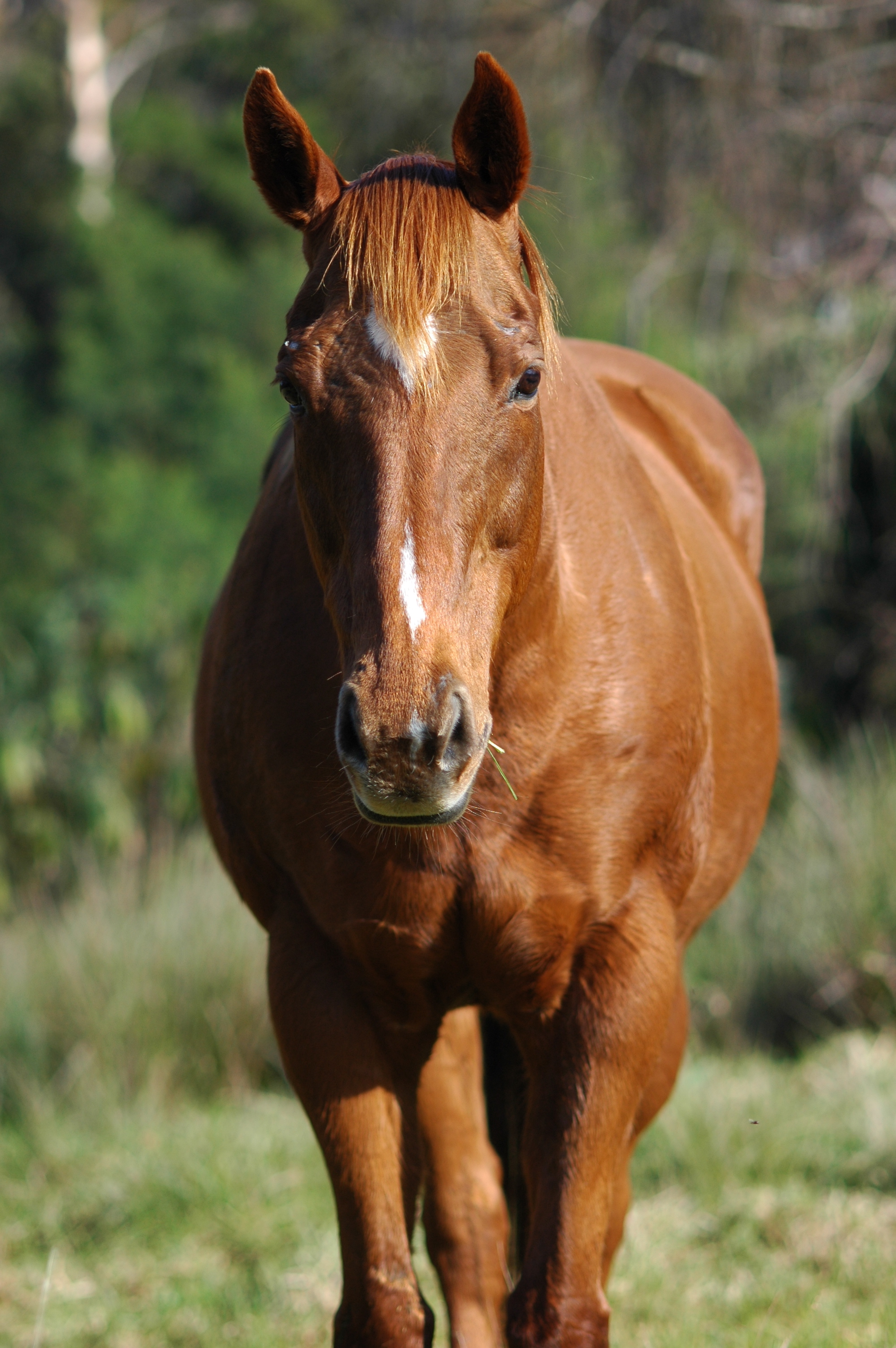
Horses are large, intelligent animals used for riding, work, sport, and companionship. Proper care includes daily grooming, balanced nutrition, safe handling, regular vet visits, and consistent training to keep them healthy and responsive.
Key Takeaways
- Always approach horses calmly and from the side—never from behind
- Spend time just standing near your horse to build trust before grooming or leading
- Learn to read body language: ears back can mean irritation, tail swishing may signal annoyance
- Riding for recreation, fitness, or sport (dressage, jumping, trail riding)
- Working on farms, ranches, or construction sites (hauling, plowing)
Plain English Explanation
In real life, owning or working with horses means managing a living animal that requires time, space, budget, and knowledge. From mucking out stalls to teaching basic ground manners, horse care is hands-on and ongoing. Whether you're a rider, farmer, or hobbyist, understanding horse behavior, needs, and safety is essential for a positive relationship.
Step-by-Step Guides
How to properly groom your horse
- Curry comb
- Stiff brush
- Soft brush
- Hoof pick
Step-by-step guide
- 1
Start with a soft curry comb in circular motions to loosen dirt
- 2
Brush with a stiff brush to remove debris, then follow with a soft brush for shine
- 3
Clean hooves with a hoof pick while lifting each foot
- 4
Apply conditioner or coat polish if desired
How to safely tie a horse
- Quick-release knot
- Lead rope
- Halter
Step-by-step guide
- 1
Choose a sturdy, vertical post rated for horse weight
- 2
Attach a quick-release knot to the lead rope near the halter
- 3
Wrap the rope around the post once, then under and over to secure
- 4
Leave enough slack to allow natural head movement
Common Problems & Solutions
Common in older horses or those overworked without proper rest; also due to poor hoof care, hard footing, or underlying conditions like arthritis.
- 1Schedule a vet examination to rule out serious injury or infection
- 2Rest the horse and avoid heavy work until cleared by a professional
- 3Implement daily turnout on soft ground and consider joint supplements
- Ignoring early signs of discomfort
- Continuing intense exercise with pain
Pros & Cons
Pros
- Highly trainable and responsive when handled consistently
- Provide reliable transportation and labor for rural tasks
- Offer emotional benefits through bonding and therapy programs
- Long lifespan (often 25+ years with proper care)
Cons
- Require significant daily time and effort (feeding, grooming, turnout)
- Need ample space and safe fencing—not suitable for small urban yards
- Can be expensive to maintain (feed, vet, farrier, boarding)
Real-Life Applications
Riding for recreation, fitness, or sport (dressage, jumping, trail riding)
Working on farms, ranches, or construction sites (hauling, plowing)
Therapeutic riding programs for individuals with disabilities
Competitive events such as rodeos, barrel racing, or endurance riding
Companionship for emotional support or mental well-being
Beginner Tips
- Always approach horses calmly and from the side—never from behind
- Spend time just standing near your horse to build trust before grooming or leading
- Learn to read body language: ears back can mean irritation, tail swishing may signal annoyance
- Keep a first-aid kit and emergency vet number easily accessible
- Join a local barn or riding club to learn from experienced owners
Frequently Asked Questions
Most horses benefit from 3–5 days of light work per week, alternating with rest days to prevent fatigue.
Sources & References
- [1]Horse — Wikipedia
Wikipedia, 2026
