Quick Answer
Your immune system defends your body against infections and illnesses. You can support it with sleep, nutrition, exercise, and hygiene—but if you get sick often or recover slowly, it may need medical attention.
Key Takeaways
- Wash hands frequently with soap for at least 20 seconds
- Eat colorful vegetables every day—they contain antioxidants
- Stay hydrated; dehydration weakens immune cell function
- Helps your body fight off cold viruses
- Prevents serious infections after surgery
What Immune system means in practice
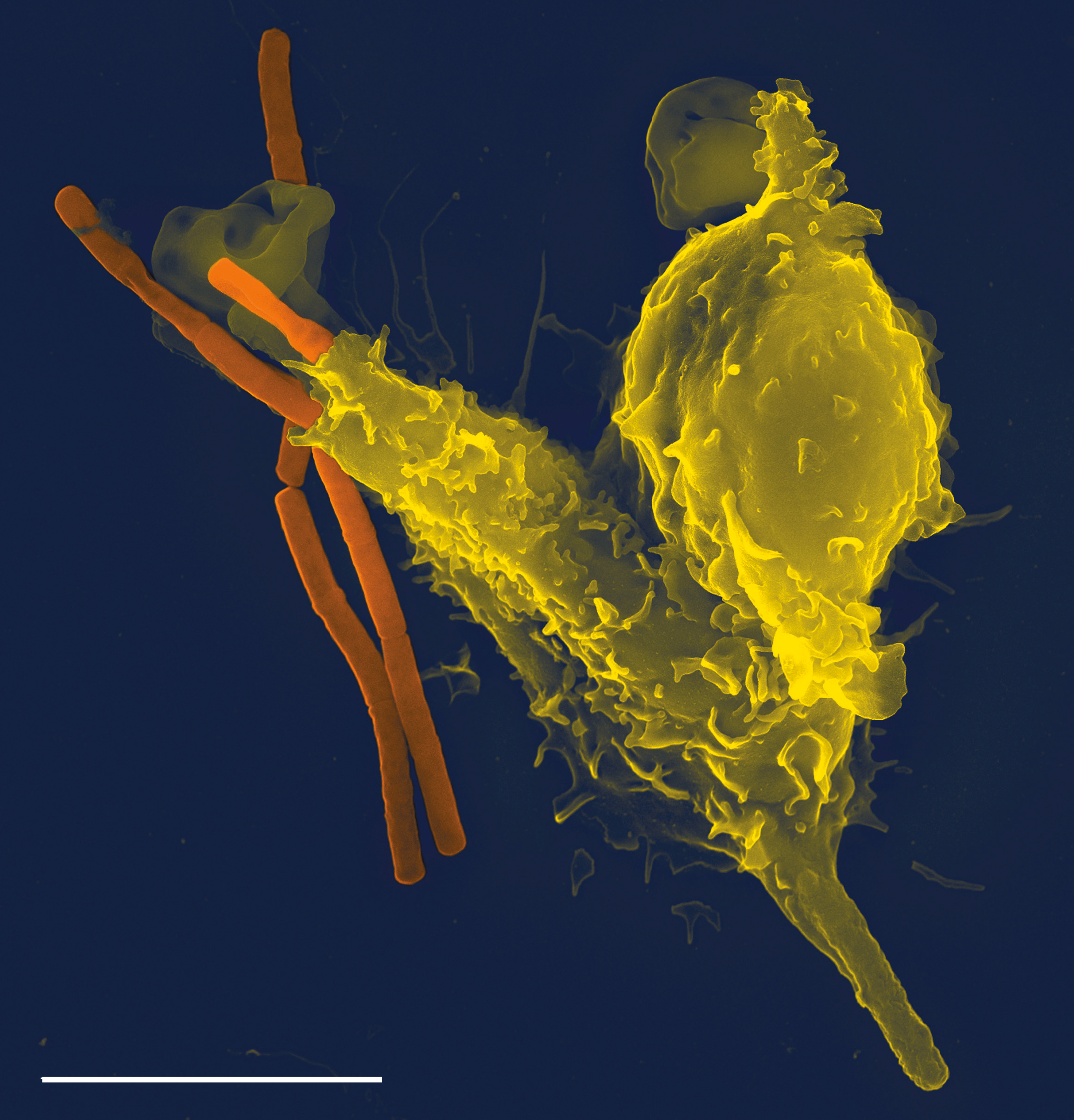
Think of your immune system like a security team inside your body. Some guards (innate immunity) respond quickly to threats like bacteria or viruses, while others (adaptive immunity) learn from past encounters and remember specific enemies. Every day, you're exposed to germs, allergens, and even your own damaged cells—your immune system decides what to fight and what to leave alone.
Quick answer
Your immune system defends your body against infections and illnesses. You can support it with sleep, nutrition, exercise, and hygiene—but if you get sick often or recover slowly, it may need medical attention.
Troubleshooting & Solutions
Common Problems & Solutions
Why this happens
This can happen when your immune system is weakened by poor sleep, stress, malnutrition, or chronic illness. It might also be due to an underlying condition like vitamin D deficiency or immune disorders.
How to fix it
- 1Get 7–9 hours of quality sleep each night
- 2Eat more fruits, vegetables, whole grains, and lean proteins
- 3Reduce stress through daily relaxation techniques like deep breathing or meditation
Mistakes to avoid
- Overusing antibiotics when they’re not needed
- Skipping meals or relying on processed foods
When to seek help: See a doctor if you get sick 3 or more times per year, especially with severe symptoms like high fever or prolonged fatigue.
Frequently Asked Questions
Some vitamins like C and D support immunity, but most people get enough from food. Supplements aren’t necessary unless you have a deficiency—and always consult a doctor first.
Sources & References
- [1]Immune system — Wikipedia
Wikipedia, 2026