Quick Answer
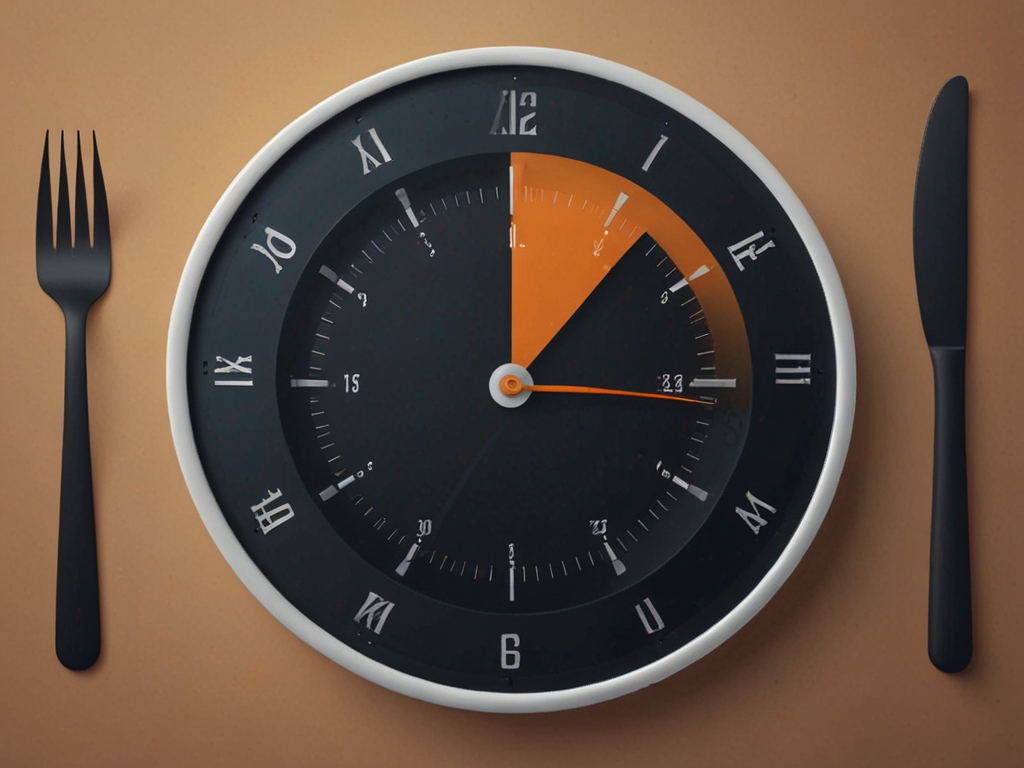
Intermittent fasting means cycling between eating and not eating on purpose—not by skipping meals randomly, but by choosing specific times to eat and fast. It can help with weight loss, improve focus, and simplify daily routines when done consistently and safely.
Key Takeaways
- Start with a 12-hour fast (e.g., 8 p.m. to 8 a.m.) before trying longer ones.
- Stay hydrated—drink lemon water or herbal teas during your fast.
- Don’t use fasting as punishment; treat it as a gentle reset for your body.
- Simplify meal prep by reducing daily cooking time
- Improve mental focus by giving your digestive system a rest
What Intermittent fasting means in practice
In real life, intermittent fasting isn’t about what you eat so much as when you eat. Instead of counting calories, you decide on a schedule—like eating only during an 8-hour window each day—and stick to it. This gives your body regular breaks from digestion, which may support fat burning, mental clarity, and metabolic health. Most people find it easier than strict diets because they’re less focused on food choices and more on timing.
Quick answer
Intermittent fasting means cycling between eating and not eating on purpose—not by skipping meals randomly, but by choosing specific times to eat and fast. It can help with weight loss, improve focus, and simplify daily routines when done consistently and safely.
Troubleshooting & Solutions
Common Problems & Solutions
Why this happens
Your body hasn’t adapted yet, and low blood sugar or dehydration can trick your brain into thinking you’re starving. Also, eating large portions right before fasting starts can cause intense hunger later.
How to fix it
- 1Drink plenty of water throughout the day—sometimes thirst is mistaken for hunger.
- 2Eat protein-rich meals before starting your fast to stabilize blood sugar.
- 3Include fiber (veggies, beans, whole grains) in your eating window to stay full longer.
Mistakes to avoid
- Skipping meals entirely before starting IF
- Not drinking enough water
- Expecting immediate results
Frequently Asked Questions
Yes, many people lose weight with IF because it creates a calorie deficit naturally by limiting eating time. However, results depend on overall diet quality and activity level.
Sources & References
- [1]Intermittent fasting — Wikipedia
Wikipedia, 2026