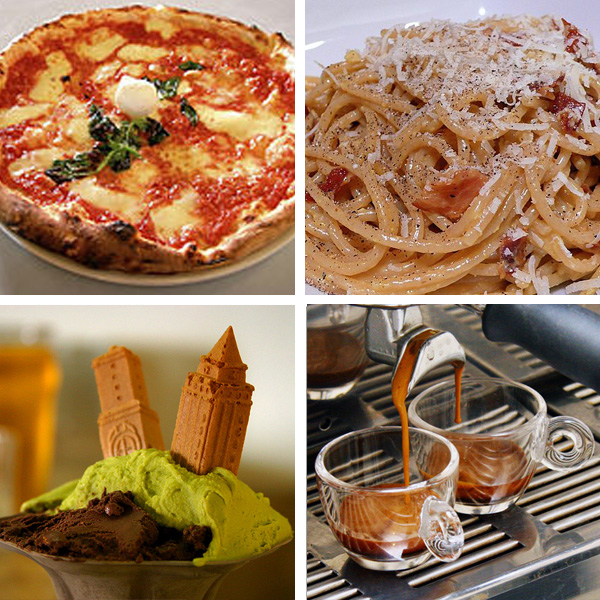
Quick Answer
Italian cuisine focuses on fresh, simple ingredients like tomatoes, pasta, olive oil, and herbs. Mastering a few key techniques—such as proper pasta cooking, sauce balancing, and knife skills—lets you create restaurant-quality meals at home with minimal fuss.
Key Takeaways
- Always taste your food while cooking—season gradually, not all at once.
- Use high-quality extra-virgin olive oil; it makes a noticeable difference in flavor.
- Never rinse cooked pasta—it washes away the starch needed to bind sauce.
- Weeknight dinner: Quick garlic oil pasta with canned tomatoes and fresh basil
- Family gathering: Homemade lasagna layered with ricotta, marinara, and mozzarella
Plain English Explanation
In real life, Italian cuisine means using quality staples—like San Marzano tomatoes, good extra-virgin olive oil, fresh mozzarella, and dried pasta from trusted brands—and building flavor through slow-cooked sauces, proper seasoning, and respect for ingredients. It’s not about complicated recipes but about elevating what’s already great.
Step-by-Step Guides
Make Perfect Creamy Carbonara from Scratch
- Large pot
- Skillet
- Whisk
- Fine grater
Step-by-step guide
- 1
Boil 12 oz spaghetti in salted water until al dente, reserving 1 cup pasta water.
- 2
While pasta cooks, whisk 3 egg yolks + 1 whole egg with ½ cup grated Pecorino Romano and black pepper.
- 3
In a skillet, quickly cook 4 slices pancetta or guanciale over medium heat until crispy.
- 4
Toss hot pasta into the skillet, remove from heat, then stir in egg mixture off heat, adding pasta water gradually to emulsify.
Common Problems & Solutions
Overcooking pasta breaks down its starch structure, causing it to lose texture and absorb too much water. This often happens when left unattended on the stove.
- 1Use a large pot of salted boiling water (1–2 tablespoons salt per gallon).
- 2Cook pasta for 1 minute less than package instructions.
- 3Test for al dente texture by tasting a piece before draining.
- 4Reserve 1 cup of pasta water before draining to add back moisture and starch.
- Not salting the water enough
- Draining all water immediately without reserving some
Pros & Cons
Pros
- Simple, ingredient-driven recipes that don’t require exotic tools
- Versatile across regions—from Northern risotto to Southern pizza
- Many dishes can be prepared ahead and reheated well
- Healthy when made with fresh produce, whole grains, and lean proteins
Cons
- Can be heavy on dairy and refined carbs if not balanced
- Authentic versions may require specialty ingredients hard to find locally
- Some sauces (like carbonara) are delicate and easy to ruin if overhandled
Real-Life Applications
Weeknight dinner: Quick garlic oil pasta with canned tomatoes and fresh basil
Family gathering: Homemade lasagna layered with ricotta, marinara, and mozzarella
Date night: Pan-seared chicken piccata with lemon-caper sauce and angel hair pasta
Lunch prep: Make-ahead minestrone soup stored in freezer-friendly containers
Entertaining: Build-your-own pizza station with prepped dough, sauces, and toppings
Beginner Tips
- Always taste your food while cooking—season gradually, not all at once.
- Use high-quality extra-virgin olive oil; it makes a noticeable difference in flavor.
- Never rinse cooked pasta—it washes away the starch needed to bind sauce.
- Toast nuts or breadcrumbs in olive oil for added crunch and richness.
- Fresh herbs should be added at the end of cooking to preserve their aroma.
Frequently Asked Questions
No—authentic carbonara uses only eggs, cheese, and cured pork. Milk breaks the emulsion and changes the texture.
Sources & References
- [1]Italian cuisine — Wikipedia
Wikipedia, 2026