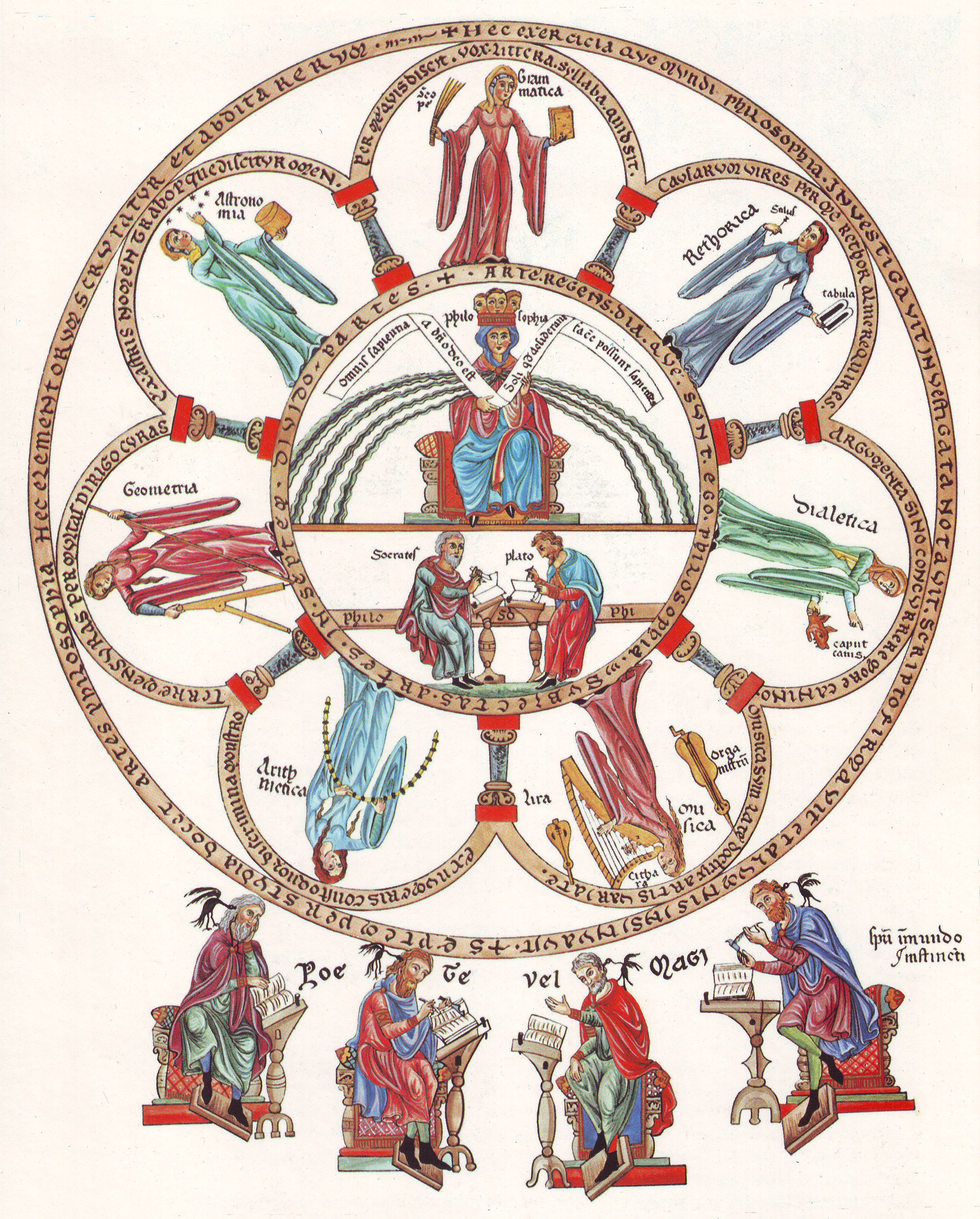
Quick Answer
Liberal arts education focuses on broad intellectual training in writing, critical thinking, history, philosophy, and the sciences—not just job skills. It helps you communicate clearly, analyze problems deeply, and adapt across careers. While not directly vocational, it builds lifelong skills valuable in almost any profession.
Key Takeaways
- Start a journal to practice writing clearly and reflect on daily experiences
- Read widely across subjects—history, science, literature—to build curiosity
- Join debate clubs, writing groups, or volunteer organizations to apply skills in real settings
- Writing persuasive emails, reports, or proposals at work
- Leading team meetings and giving clear presentations
What Liberal arts education means in practice
In real life, liberal arts education means learning how to think clearly, write persuasively, understand human behavior, and make informed decisions. Instead of teaching one specific trade, it gives you tools to learn quickly, solve unexpected problems, and thrive in changing jobs. Whether you're in business, tech, healthcare, or creative fields, these skills help you lead, collaborate, and innovate.
Quick answer
Liberal arts education focuses on broad intellectual training in writing, critical thinking, history, philosophy, and the sciences—not just job skills. It helps you communicate clearly, analyze problems deeply, and adapt across careers. While not directly vocational, it builds lifelong skills valuable in almost any profession.
Plain English Explanation
In real life, liberal arts education means learning how to think clearly, write persuasively, understand human behavior, and make informed decisions. Instead of teaching one specific trade, it gives you tools to learn quickly, solve unexpected problems, and thrive in changing jobs. Whether you're in business, tech, healthcare, or creative fields, these skills help you lead, collaborate, and innovate.
Step-by-Step Guides
How to Build a Liberal Arts Portfolio That Stands Out
- Google Docs
- WordPress or Canva
- OneDrive or Dropbox
Step-by-step guide
- 1
Gather 3–5 strong examples: essays, research papers, presentations, or creative projects
- 2
Write brief descriptions explaining the problem, your process, and what you learned
- 3
Include a cover letter or summary page linking your work to real-world skills like communication or critical thinking
- 4
Host your portfolio online using free platforms like WordPress or Google Sites
How to Turn a Liberal Arts Degree Into a Career Path
- Coursera or edX
- Resume builder template
Step-by-step guide
- 1
Identify 2–3 skills you enjoy: e.g., writing, teaching, analyzing data, or organizing events
- 2
Research careers that value those skills: content strategy, policy analysis, nonprofit management
- 3
Take one online course or certification to fill a knowledge gap (e.g., Coursera for project management)
- 4
Apply for entry-level roles, internships, or volunteer positions to gain experience
Common Problems & Solutions
Many students feel lost because liberal arts degrees don’t have clear 'job titles' like engineering or nursing. The lack of immediate technical focus can make course selection feel overwhelming or directionless.
- 1Pick a few core interests (e.g., storytelling, policy, ethics) and build a minor or concentration around them
- 2Talk to academic advisors about combining liberal arts with practical electives (like data analysis or digital media)
- 3Create a personal learning plan with goals like public speaking, research, or writing proficiency
- Avoid picking classes only because they sound fun without considering skill-building
- Don’t assume liberal arts = no math; include logic and statistics courses to strengthen analysis
Pros & Cons
Pros
- Develops strong communication and critical thinking skills
- Prepares you to adapt to changing industries and technologies
- Encourages lifelong learning and intellectual curiosity
- Opens doors to diverse career paths in leadership, media, law, and more
Cons
- May require extra effort to prove value to employers focused on technical skills
- Can be harder to find entry-level jobs without internships or experience
- Salaries in some liberal arts fields may be lower than in STEM or finance initially
Real-Life Applications
Writing persuasive emails, reports, or proposals at work
Leading team meetings and giving clear presentations
Analyzing trends in news or business to make informed opinions
Teaching yourself new topics quickly using research skills
Understanding cultural differences when working with global clients
Beginner Tips
- Start a journal to practice writing clearly and reflect on daily experiences
- Read widely across subjects—history, science, literature—to build curiosity
- Join debate clubs, writing groups, or volunteer organizations to apply skills in real settings
- Use free online tools like Khan Academy to strengthen math or logic foundations
- Set monthly goals like 'write one article' or 'lead a group discussion'
Frequently Asked Questions
Yes, if you value broad thinking, creativity, and adaptability. It prepares you for leadership roles and lifelong learning, even if starting salaries aren't as high as some technical fields.
Sources & References
- [1]Liberal arts education — Wikipedia
Wikipedia, 2026