Quick Answer
Meal prep is making meals ahead of time so you can grab and go during busy weekdays. It saves time, reduces food waste, and helps you stick to a healthy diet. Start small—like prepping lunches for the week—and use containers to keep food fresh.
Key Takeaways
- Start with just one meal a day (like lunch) instead of all three
- Use the same containers and labels to stay organized
- Prep ingredients, not full meals, if you’re short on time
- Save time during workweek mornings
- Support weight loss or healthy eating goals
What Meal preparation means in practice
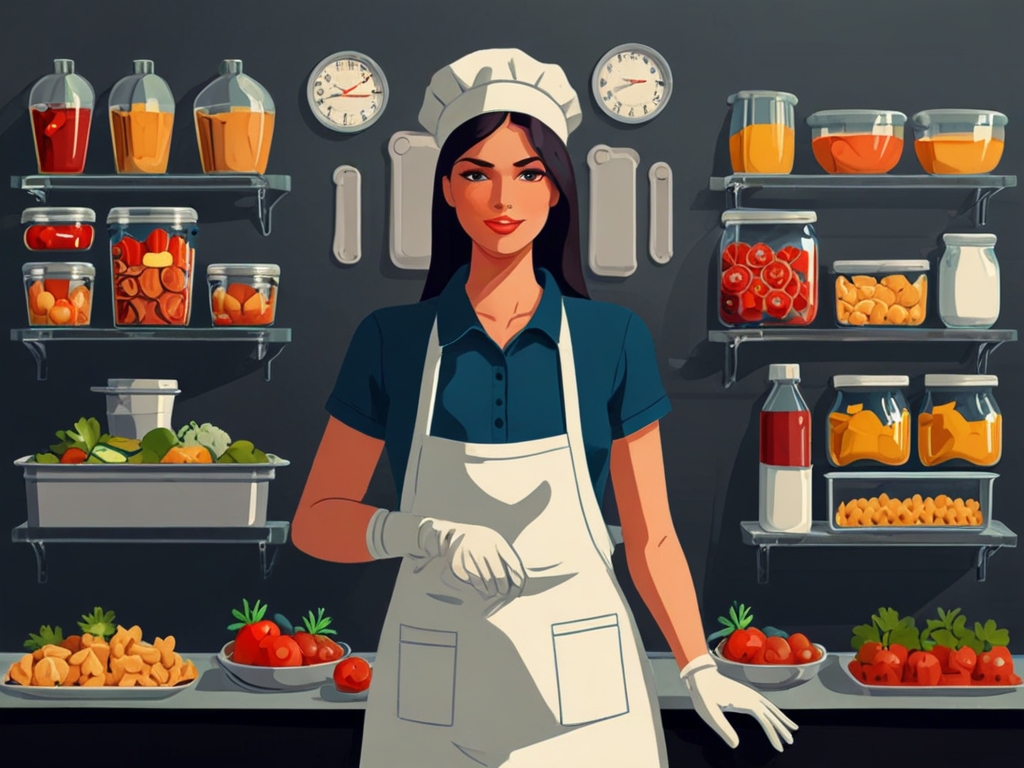
In real life, meal prep means setting aside one or two afternoons each week to cook, portion, and store meals so you have ready-to-eat food throughout the week. It’s not about eating the same thing every day, but about having balanced, homemade options available when you’re too tired to cook. Think of it as building your own personal kitchen on standby.
Quick answer
Meal prep is making meals ahead of time so you can grab and go during busy weekdays. It saves time, reduces food waste, and helps you stick to a healthy diet. Start small—like prepping lunches for the week—and use containers to keep food fresh.
Plain English Explanation
In real life, meal prep means setting aside one or two afternoons each week to cook, portion, and store meals so you have ready-to-eat food throughout the week. It’s not about eating the same thing every day, but about having balanced, homemade options available when you’re too tired to cook. Think of it as building your own personal kitchen on standby.
Step-by-Step Guides
How to Prep 5 Healthy Lunches in 45 Minutes
- Large mixing bowls
- Baking sheets
- Glass meal prep containers
- Timer
Step-by-step guide
- 1
Choose 2 proteins (e.g., grilled chicken, black beans), 2 grains (quinoa, brown rice), and 3 colorful veggies (broccoli, bell peppers, spinach)
- 2
Cook all grains and proteins in bulk in a large pot or sheet pan
- 3
Chop and roast or steam vegetables in batches
- 4
Divide into 5 equal portions in labeled containers
Common Problems & Solutions
Leftovers aren’t stored properly, or the containers aren’t airtight, allowing moisture and bacteria to grow quickly.
- 1Use glass or BPA-free plastic containers with tight-fitting lids
- 2Store cooked food within 2 hours of preparation
- 3Refrigerate immediately and eat within 3–4 days (or freeze for longer storage)
- Leaving hot food out overnight
- Storing oily foods in metal containers
Pros & Cons
Pros
- Saves time during busy weekdays
- Helps maintain a consistent, healthy diet
- Reduces food waste and impulse takeout orders
- Gives more control over ingredients and portion sizes
Cons
- Requires upfront time investment
- Can feel repetitive if not rotated properly
- Needs proper storage space and equipment
Real-Life Applications
Save time during workweek mornings
Support weight loss or healthy eating goals
Reduce reliance on takeout and processed meals
Cut down on grocery trips and food waste
Provide easy meals for picky eaters or family members
Beginner Tips
- Start with just one meal a day (like lunch) instead of all three
- Use the same containers and labels to stay organized
- Prep ingredients, not full meals, if you’re short on time
- Keep a simple rotation: protein + grain + veggie + fat (avocado, olive oil)
- Invest in good-quality containers—they make a big difference
Frequently Asked Questions
Most cooked meals stay fresh in the refrigerator for 3–4 days. Soups, stews, and grains last longest; raw veggies should be eaten first to stay crisp.
Sources & References
- [1]Meal preparation — Wikipedia
Wikipedia, 2026
