Quick Answer
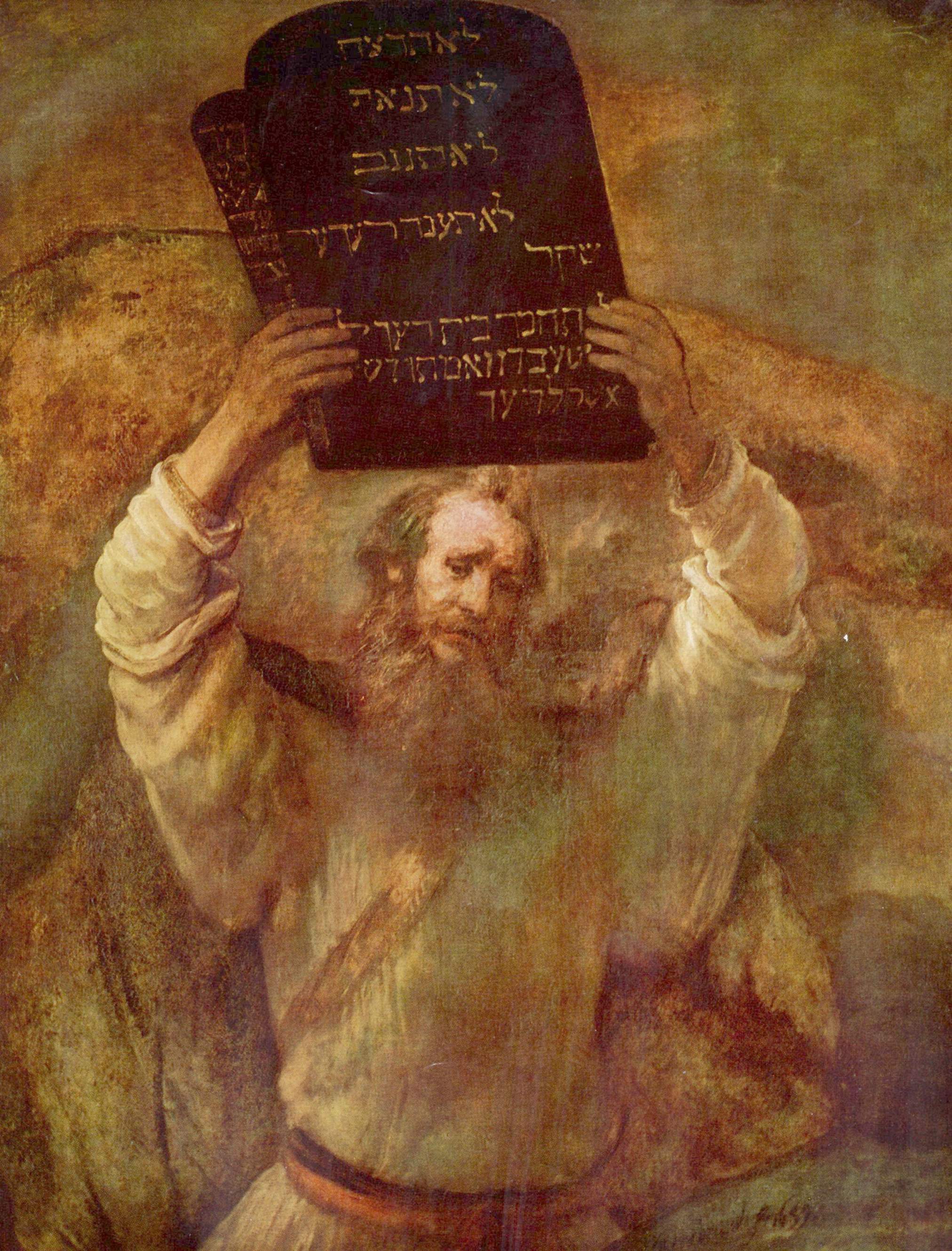
Moses is a foundational figure in Abrahamic faiths who led the Israelites out of slavery and received divine laws. His story teaches lessons in courage, obedience, and servant leadership that can guide modern personal and professional challenges.
Key Takeaways
- Start small—leadership isn’t about grand gestures; it’s about showing up consistently
- When afraid, ask yourself: 'Would Moses avoid this because he’s scared? Or would he step forward anyway?'
- Keep a 'miracle journal' to record answered prayers or unexpected guidance
- Leadership training programs use Moses’ story to teach servant leadership
- Conflict resolution workshops reference his approach to negotiation with Pharaoh
Plain English Explanation
In real life, Moses symbolizes someone called to lead others through difficult transitions—whether escaping oppression, guiding a team through change, or standing firm in faith despite opposition. His journey from reluctant leader to faithful servant offers timeless wisdom for navigating uncertainty, making ethical choices, and trusting a higher purpose.
Step-by-Step Guides
Create a Personal Leadership Covenant Based on Moses’ Example
- Journal or notebook
- Pen or digital device
Step-by-step guide
- 1
Write down three core values you want to live by (e.g., justice, humility, courage)
- 2
List one recent challenge where you hesitated to act
- 3
Draft a commitment statement answering: 'What will I do differently next time?'
- 4
Share this covenant with one trusted person for accountability
Develop Resilience Through Spiritual Discipline Like Moses
- Habit tracking app (optional)
- Quiet space
Step-by-step guide
- 1
Choose a daily practice (prayer, walking in nature, reading scripture)
- 2
Set a consistent time and place for it
- 3
Track your consistency for 21 days using a habit tracker app
- 4
Reflect weekly on how the practice helped you persevere
Common Problems & Solutions
Like Moses initially resisted, many feel unprepared or unworthy when asked to step into a leadership role, especially if it involves confronting powerful systems or speaking truth to power.
- 1Acknowledge your fear and write down what’s holding you back
- 2Seek mentors or communities who support your growth
- 3Start with small acts of leadership—help one person, lead one meeting
- Waiting until you 'feel ready' instead of acting despite fear
- Comparing yourself to others who seem more qualified
Pros & Cons
Pros
- Provides timeless examples of moral courage and resilience
- Offers clear frameworks for ethical living and justice
- Encourages trust in a higher purpose during uncertainty
- Promotes humility—even prophets make mistakes and grow
Cons
- Can be misused to justify rigid legalism without compassion
- Historical accounts may lack context, leading to oversimplified lessons
- Some interpretations ignore cultural and gender limitations of ancient texts
- May discourage questioning if taken as absolute authority
Real-Life Applications
Leadership training programs use Moses’ story to teach servant leadership
Conflict resolution workshops reference his approach to negotiation with Pharaoh
Personal development coaches apply his lessons on faith and perseverance
Ethical decision-making models incorporate his balance of law and mercy
Motivational speakers use his journey to inspire overcoming obstacles
Educational curricula include Moses to discuss historical migration and social justice
Beginner Tips
- Start small—leadership isn’t about grand gestures; it’s about showing up consistently
- When afraid, ask yourself: 'Would Moses avoid this because he’s scared? Or would he step forward anyway?'
- Keep a 'miracle journal' to record answered prayers or unexpected guidance
- Find a spiritual mentor—Moses didn’t do it alone, and neither should you
- Remember: doubt doesn’t disqualify you from being used by something greater
Frequently Asked Questions
Moses was a Hebrew prophet and leader who guided his people out of Egyptian slavery. He’s revered in Judaism, Christianity, Islam, and other faiths for receiving divine laws and demonstrating extraordinary faith under pressure.
Sources & References
- [1]Moses — Wikipedia
Wikipedia, 2026