Quick Answer
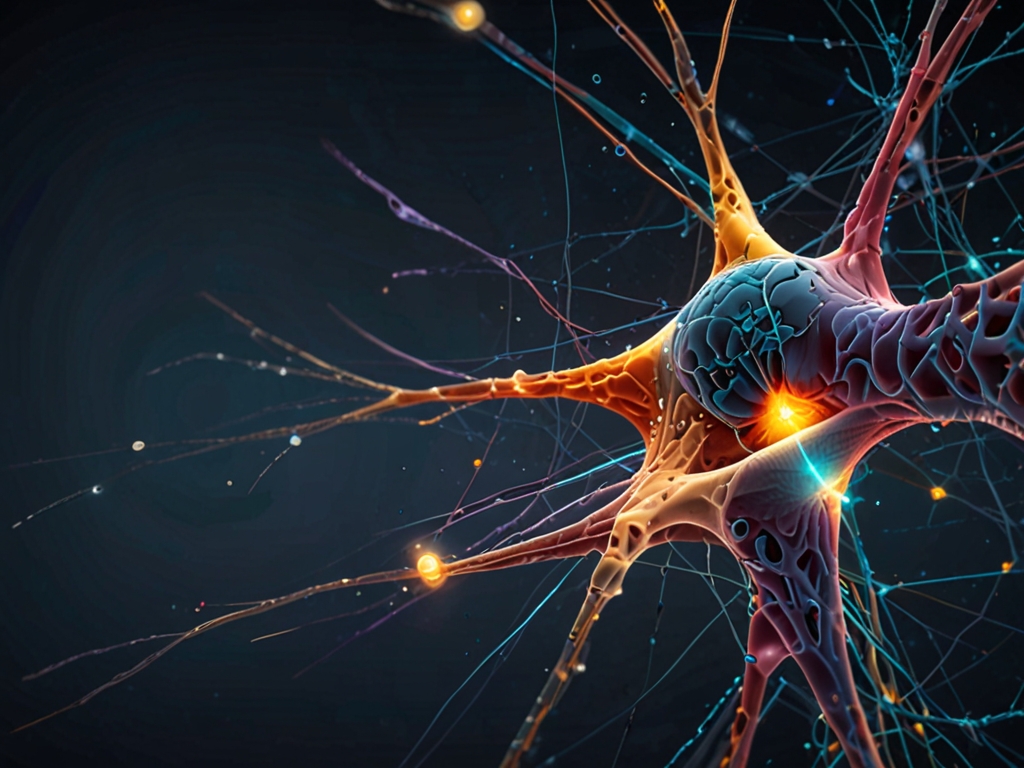
Neuroplasticity is your brain's ability to rewire itself through new experiences. You can actively strengthen positive neural pathways and weaken harmful ones by practicing consistently, changing routines, and challenging yourself daily.
Key Takeaways
- Start small—just 10 minutes of focused practice beats hours of half-hearted effort
- Sleep is crucial: aim for 7–8 hours to help consolidate new neural connections
- Combine physical movement with mental tasks (e.g., walk while reviewing notes) to boost plasticity
- Recovering from a stroke by relearning motor skills
- Learning a second language faster with immersion techniques
What Neuroplasticity means in practice
Think of your brain like a city with roads that get built, widened, or closed based on how often they’re used. Neuroplasticity means you can design new routes—whether you're learning a language, healing after a stroke, or breaking a bad habit like procrastination. It’s not magic, but it does require consistent effort over time.
Quick answer
Neuroplasticity is your brain's ability to rewire itself through new experiences. You can actively strengthen positive neural pathways and weaken harmful ones by practicing consistently, changing routines, and challenging yourself daily.
Troubleshooting & Solutions
Common Problems & Solutions
Why this happens
Your brain isn’t forming strong enough neural connections because practice was inconsistent or passive (e.g., watching instead of doing).
How to fix it
- 1Break the skill into small, repeatable actions
- 2Practice daily with full attention (20–30 minutes)
- 3Use active recall: test yourself immediately after learning
Mistakes to avoid
- Multitasking during practice
- Expecting instant mastery without repetition
Frequently Asked Questions
Yes! Unlike children, adults have reduced but still significant neuroplastic capacity. With consistent practice, even mature brains can form new connections.
Sources & References
- [1]Neuroplasticity — Wikipedia
Wikipedia, 2026