Quick Answer
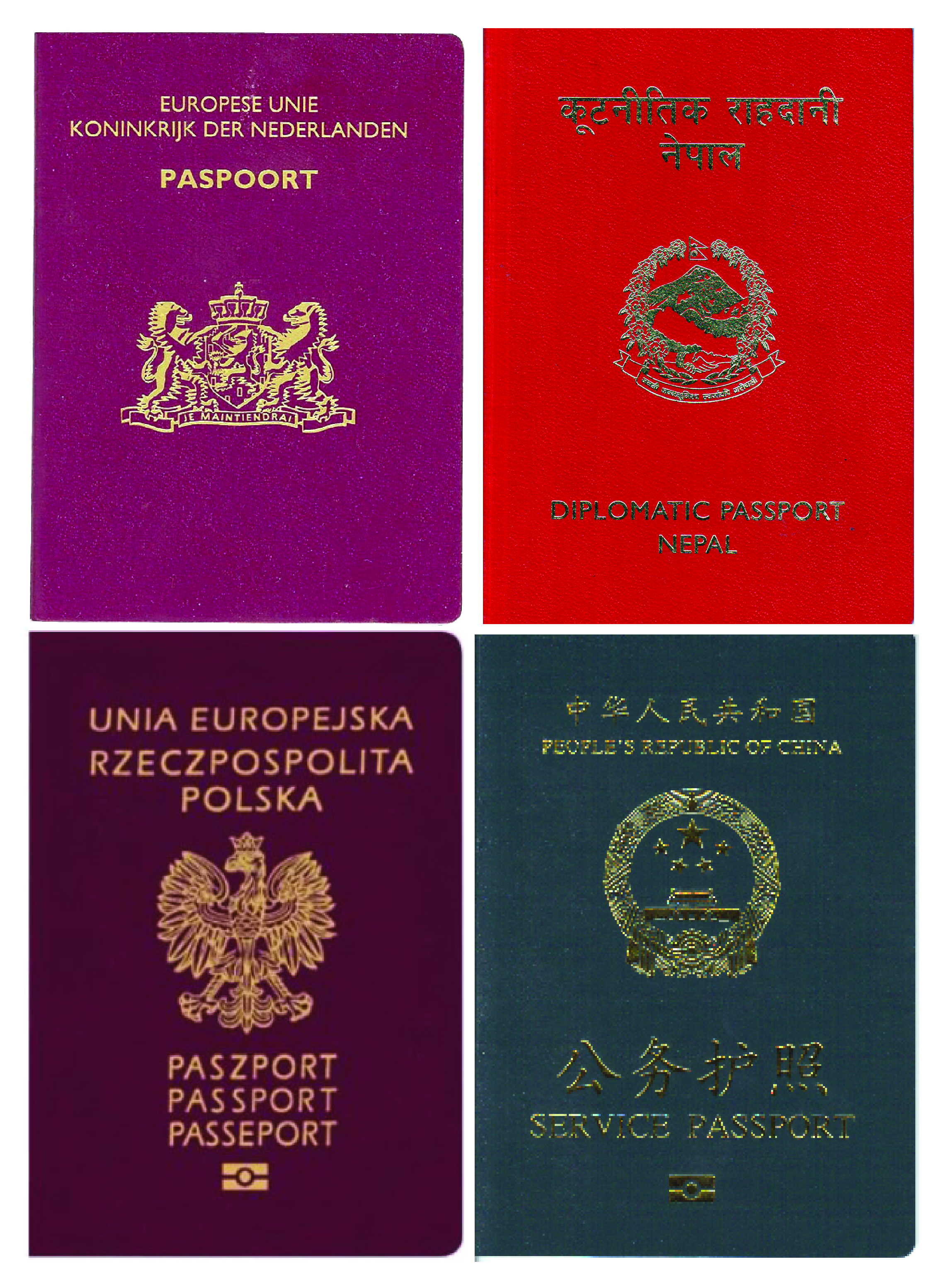
A passport is an official government document proving your identity and nationality when traveling abroad. It allows you to enter foreign countries, access consular services, and return home safely.
Key Takeaways
- Always carry your passport physically—digital copies aren’t accepted at borders.
- Make color photocopies and store them separately from the original.
- Renew your passport 6–9 months before it expires to avoid rush fees.
- Required for international air travel
- Used as primary identification at U.S. airports
Plain English Explanation
In everyday life, a passport is essential for international travel but can also be used as a primary ID domestically in some places. It’s not just for vacations—it helps verify who you are during legal, financial, or immigration processes.
Step-by-Step Guides
How to Apply for Your First Adult Passport
- Completed DS-11 form
- Passport photo
- Proof of citizenship
- Government ID
- Payment method
Step-by-step guide
- 1
Complete Form DS-11 online or print it out.
- 2
Take a compliant passport photo at a certified location.
- 3
Gather required documents: proof of U.S. citizenship, government-issued ID, and social security card.
- 4
Submit application in person at a passport acceptance facility with payment for fees.
Common Problems & Solutions
Travelers often misplace passports in hotels, airports, or have them stolen due to carelessness or theft in high-risk areas.
- 1Stay calm and report the loss immediately to local authorities if in a foreign country.
- 2Contact your country's embassy or consulate to request emergency travel documents.
- 3File a police report and get a copy for your records and insurance claims.
- Delaying reporting the loss
- Using a photocopy instead of the real passport
Pros & Cons
Pros
- Legally proves your identity and nationality
- Enables access to consular services while abroad
- Essential for international banking and legal transactions
- Can serve as domestic ID in many U.S. states
Cons
- Expensive and time-consuming to obtain or renew
- Vulnerable to loss or theft during travel
- Not universally accepted as ID everywhere
- Processing delays can disrupt travel plans
Real-Life Applications
Required for international air travel
Used as primary identification at U.S. airports
Verifies identity for opening foreign bank accounts
Necessary for visa applications abroad
Helps access consular protection while overseas
Beginner Tips
- Always carry your passport physically—digital copies aren’t accepted at borders.
- Make color photocopies and store them separately from the original.
- Renew your passport 6–9 months before it expires to avoid rush fees.
- Check if your destination requires extra visas beyond your passport.
- Keep your passport secure; treat it like cash or credit cards.
Frequently Asked Questions
Routine processing takes 8–11 weeks; expedited service takes 5–7 weeks with additional fees.
Sources & References
- [1]Passport — Wikipedia
Wikipedia, 2026
