Quick Answer
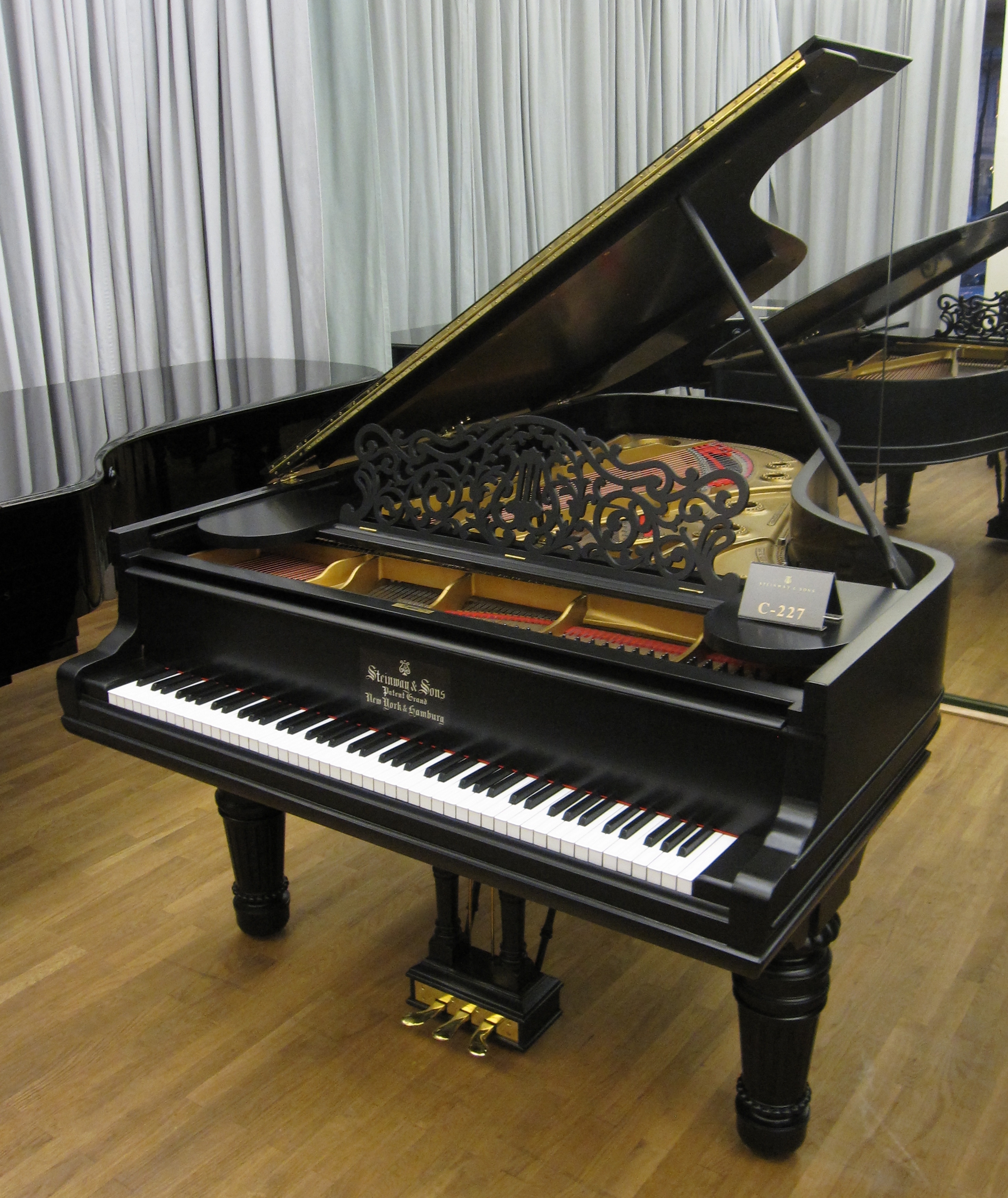
A piano is a keyboard instrument played by pressing keys that trigger hammers to strike strings, producing sound. It’s used for music performance, education, composition, and even home entertainment—requiring regular tuning and proper technique to maintain quality and longevity.
Key Takeaways
- Start with simple exercises like scales and C major chord progressions.
- Practice daily for 15–20 minutes rather than long, infrequent sessions.
- Use a metronome to develop steady timing.
- Learning music theory and improving coordination in children and adults
- Composing songs and arranging music in home studios
Troubleshooting & Solutions
Common Problems & Solutions
Why this happens
This often occurs due to dirt buildup, humidity changes causing wood to swell, or worn felt in the hammer mechanism. Over time, dust and debris accumulate under the keys, blocking smooth movement.
How to fix it
- 1Unplug the piano and gently remove the key cover (if applicable).
- 2Use a soft brush or compressed air to clean dust from under the keys.
- 3Wipe keys and frame with a slightly damp cloth, then dry thoroughly.
- 4If keys still stick, consult a technician—do not force them.
Mistakes to avoid
- Using water directly on the mechanism without drying.
- Forcing stuck keys instead of cleaning or repairing.
When to seek help: If keys remain unresponsive after cleaning, contact a piano technician for inspection and regulation.
Frequently Asked Questions
Acoustic pianos produce sound through hammers striking strings, offering rich tone and touch response. Digital pianos simulate this using speakers and weighted keys but are quieter and more affordable.
Sources & References
- [1]Piano — Wikipedia
Wikipedia, 2026