Quick Answer
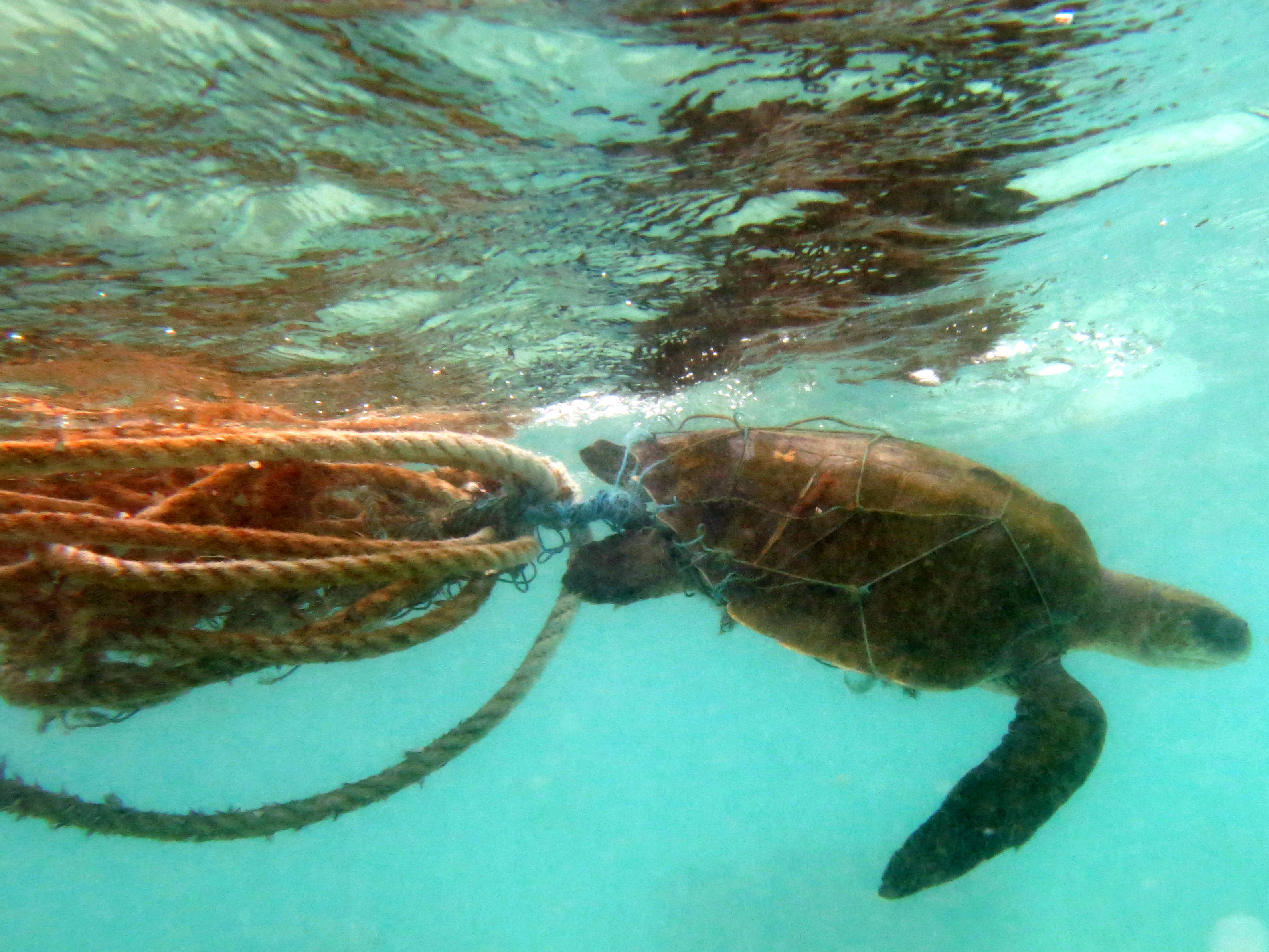
Plastic pollution happens when plastic waste ends up in nature and breaks down slowly into tiny pieces that harm animals and ecosystems. You can fight it by refusing single-use plastics, choosing reusable items, and cleaning up litter in your community.
Key Takeaways
- Start with one plastic-free swap each week to avoid overwhelm
- Keep reusable items visible—place your water bottle on the desk or your bag on the chair
- Learn to read product labels; avoid anything with 'polyethylene' or 'PVC' if possible
- Reusable water bottles made from stainless steel or glass
- Cloth shopping bags carried in a tote or backpack
What Plastic pollution means in practice
Every day, millions of plastic bottles, bags, straws, and packaging end up in landfills or oceans, where they can take hundreds of years to disappear. This pollution harms marine life, contaminates water sources, and even affects the food we eat. As individuals, we can make a difference by changing daily habits and supporting sustainable alternatives.
Quick answer
Plastic pollution happens when plastic waste ends up in nature and breaks down slowly into tiny pieces that harm animals and ecosystems. You can fight it by refusing single-use plastics, choosing reusable items, and cleaning up litter in your community.
Plain English Explanation
Every day, millions of plastic bottles, bags, straws, and packaging end up in landfills or oceans, where they can take hundreds of years to disappear. This pollution harms marine life, contaminates water sources, and even affects the food we eat. As individuals, we can make a difference by changing daily habits and supporting sustainable alternatives.
Step-by-Step Guides
Create a zero-waste kitchen with reusable swaps
- Beeswax wraps
- Silicone food storage bags
- Bamboo utensil set
- Metal straw with brush
Step-by-step guide
- 1
Remove all single-use plastics from your kitchen (plastic wrap, bags, straws, utensils)
- 2
Buy a set of beeswax wraps, silicone storage bags, metal straws, and bamboo utensils
- 3
Label and store your new items near where you prepare food
- 4
Practice using them for a full week to build the habit
Common Problems & Solutions
Many people rely on convenience items like plastic water bottles, grocery bags, and disposable cutlery without realizing their long-term environmental cost.
- 1Start tracking how much plastic you use for one week
- 2Replace one item per day with a reusable alternative
- 3Store and organize your new reusable items so they're easy to use
- Buying more single-use items thinking you'll recycle later
- Not washing reusable containers before reusing them
Pros & Cons
Pros
- Reduces landfill waste and ocean pollution
- Saves money over time with reusable items
- Encourages mindful consumption and creativity in daily routines
Cons
- Initial cost for reusable products may be higher
- Requires effort to maintain habits consistently
- Not all areas have recycling for certain plastics
Real-Life Applications
Reusable water bottles made from stainless steel or glass
Cloth shopping bags carried in a tote or backpack
Glass or metal containers for storing leftovers
Bar soap instead of liquid soap in plastic bottles
Compostable trash bags for outdoor waste collection
Beginner Tips
- Start with one plastic-free swap each week to avoid overwhelm
- Keep reusable items visible—place your water bottle on the desk or your bag on the chair
- Learn to read product labels; avoid anything with 'polyethylene' or 'PVC' if possible
- Pack a 'zero-waste kit' for travel: reusable bag, straw, utensils, and container
- Talk to family about why reducing plastic matters—change starts with awareness
Frequently Asked Questions
A plastic bottle can take 450+ years to fully degrade, while plastic bags last 20–1,000 years depending on conditions.
Sources & References
- [1]Plastic pollution — Wikipedia
Wikipedia, 2026