Quick Answer
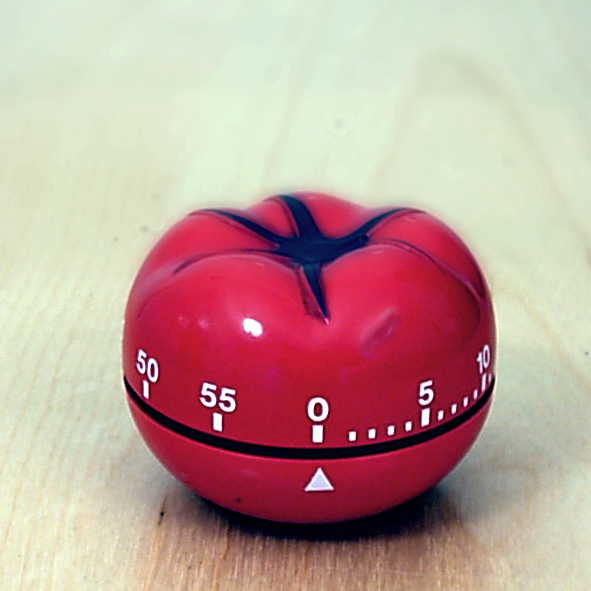
The Pomodoro Technique helps you focus by working in short bursts of 25 minutes followed by a 5-minute break. After four cycles, take a longer break. It’s great for beating procrastination and maintaining mental clarity throughout the day.
Key Takeaways
- Start with just one Pomodoro a day to build the habit
- Use a visual timer so you can see time passing and stay committed
- Track completed Pomodoros in a journal or app to build motivation
- Writing essays or reports without getting stuck
- Studying for exams while avoiding cramming
Plain English Explanation
In real life, the Pomodoro Technique is a practical way to manage your attention without overwhelming yourself. Instead of staring at a task for hours and feeling drained, you break it into manageable chunks with built-in rest. This structure reduces anxiety, keeps momentum going, and makes big projects feel less intimidating.
Step-by-Step Guides
How to Start Using the Pomodoro Technique Today
- Timer (physical or digital)
- Notebook or app for tracking completed Pomodoros
Step-by-step guide
- 1
Choose a task you want to complete
- 2
Set a timer for 25 minutes (use a phone app, kitchen timer, or online tool)
- 3
Work on the task until the timer rings—no distractions
- 4
When the timer goes off, stop and take a 5-minute break
Common Problems & Solutions
Distractions often come from notifications, phone use, or unclear goals. Your brain naturally resists sustained focus, especially if the task feels boring or too hard.
- 1Turn off phone notifications or put your phone in another room
- 2Write down any distracting thoughts to address later
- 3Set a clear, single goal for each Pomodoro (e.g., 'write 300 words')
- Checking email every few minutes
- Starting without a defined task
Pros & Cons
Pros
- Reduces mental fatigue by breaking work into small chunks
- Improves focus and minimizes multitasking
- Creates a sense of accomplishment with each completed timer
Cons
- May not suit deep work requiring longer uninterrupted focus
- Can feel rigid for creative or open-ended tasks
- Requires discipline to follow the schedule strictly
Real-Life Applications
Writing essays or reports without getting stuck
Studying for exams while avoiding cramming
Completing household chores efficiently
Preparing presentations or spreadsheets
Managing creative projects like designing or coding
Beginner Tips
- Start with just one Pomodoro a day to build the habit
- Use a visual timer so you can see time passing and stay committed
- Track completed Pomodoros in a journal or app to build motivation
- Don’t skip breaks—they’re part of the system, not optional
- If you finish early, use the remaining time to plan the next Pomodoro
Frequently Asked Questions
No, but the 25-minute interval is the classic version. You can adjust based on what works for you—many people use 20, 30, or even 50-minute sessions.
Sources & References
- [1]Pomodoro Technique — Wikipedia
Wikipedia, 2026
