Quick Answer
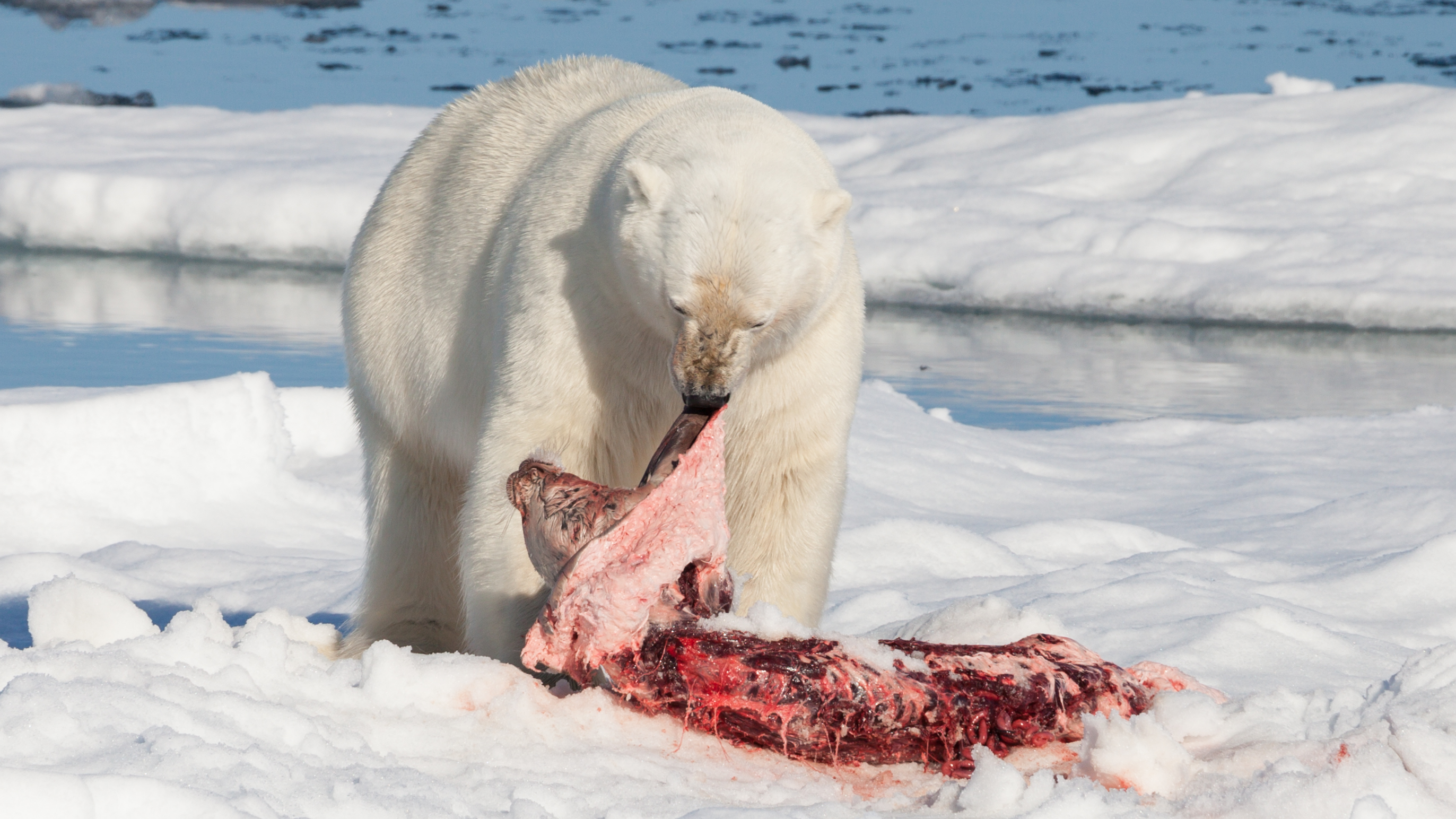
Predation is when one animal hunts and kills another for food. In real life, this affects pets, livestock, gardens, and even people. Understanding common predators helps you take practical steps to prevent attacks and protect what’s yours.
Key Takeaways
- Always inspect fences and coops weekly for wear, chew marks, or loose wires.
- Use bright colors or shiny objects (like old CDs) to scare away birds and small mammals.
- Never leave pet food or birdseed outside overnight—it attracts predators.
- Protecting backyard chickens from foxes, raccoons, and hawks.
- Preventing birds from eating fruit off trees by using netting.
Troubleshooting & Solutions
Common Problems & Solutions
Why this happens
Raccoons are smart, dexterous, and nocturnal. They can open latches, squeeze through gaps, and climb fences to reach chickens, which they see as easy prey.
How to fix it
- 1Install an electric wire or netting around the top of the coop to block climbing access.
- 2Use predator-proof latches on doors and ensure all openings are sealed with hardware cloth.
- 3Secure the area around the run with buried fencing (12 inches deep) to stop digging.
- 4Remove food sources like spilled feed or compost that attracts raccoons.
Mistakes to avoid
- Using flimsy locks or simple latches that raccoons can figure out.
- Leaving chicken feed outside overnight, which draws predators.
Frequently Asked Questions
A predator kills and eats live prey, while a scavenger feeds on dead animals. Many predators also scavenge, but not vice versa.
Sources & References
- [1]Predation — Wikipedia
Wikipedia, 2026