Quick Answer
To put patio flagstone pavers back on, start by cleaning the base, checking for level gaps, and using gravel or sand as a bedding material. Lift each paver gently with a flat bar, adjust its position if needed, and tap it down firmly with a rubber mallet. Fill gaps with polymeric sand for stability.
Key Takeaways
- Always wear gloves when handling pavers—edges can be sharp.
- Work in small sections; don’t try to fix everything at once.
- Keep polymeric sand dry until ready to use, then water it immediately.
- Fix a cracked or uneven patio after heavy rain
- Replace a few shifted pavers without redoing the whole patio
What Put patio flagstone pavers back on means in practice
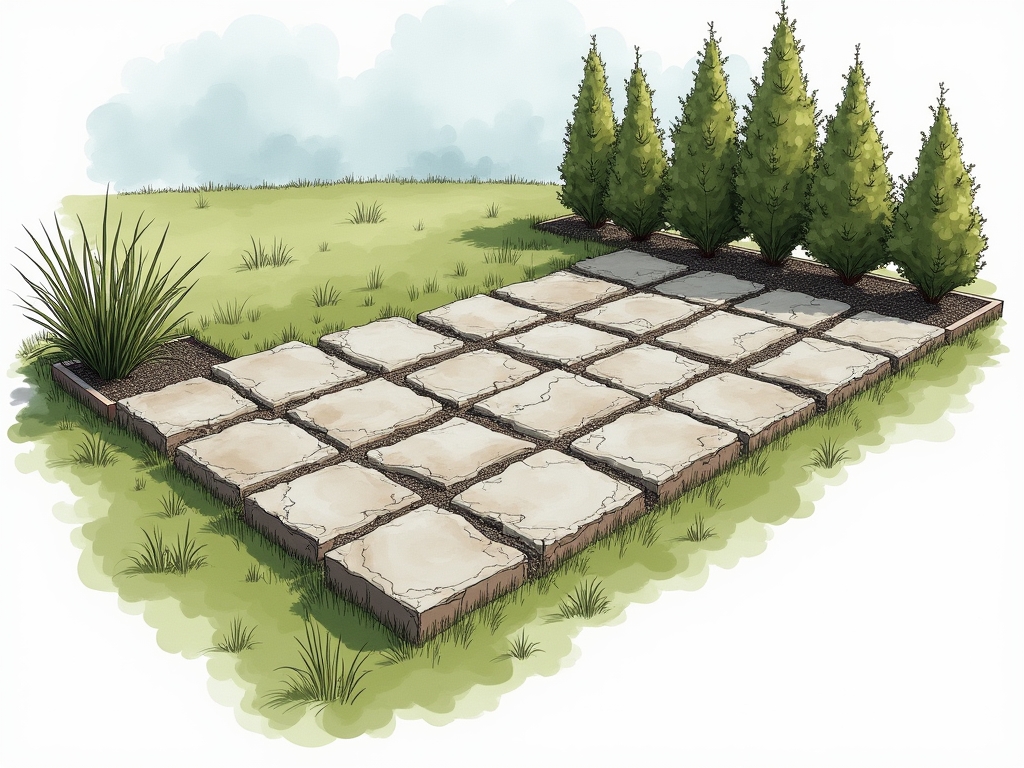
Flagstone pavers can shift over time due to weather, foot traffic, or poor installation. Putting them back on means realigning them securely so they don’t wobble or crack again. This involves preparing the base, adjusting the pavers correctly, and locking them in place.
Quick answer
To put patio flagstone pavers back on, start by cleaning the base, checking for level gaps, and using gravel or sand as a bedding material. Lift each paver gently with a flat bar, adjust its position if needed, and tap it down firmly with a rubber mallet. Fill gaps with polymeric sand for stability.
Plain English Explanation
Flagstone pavers can shift over time due to weather, foot traffic, or poor installation. Putting them back on means realigning them securely so they don’t wobble or crack again. This involves preparing the base, adjusting the pavers correctly, and locking them in place.
Step-by-Step Guides
How to Re-Lay Flagstone Pavers Step-by-Step
- plate compactor
- flat bar
- rubber mallet
- stiff broom
- polymeric sand
Step-by-step guide
- 1
Clear debris from the patio area.
- 2
Clean the base with a stiff broom or leaf blower.
- 3
Spread 1–2 inches of gravel or coarse sand evenly.
- 4
Compact the base with a plate compactor.
- 5
Lay pavers in the desired pattern, tapping down with a rubber mallet.
- 6
Fill gaps with polymeric sand.
- 7
Water the sand to set it.
Common Problems & Solutions
The base beneath the pavers (sand/gravel) is uneven, compacted too much, or has voids from settling.
- 1Spread new sand or gravel under the area where pavers won’t sit flat.
- 2Use a plate compactor to firm up loose soil or bedding material.
- 3Lift pavers with a flat bar and adjust their height until they level.
- Using too much force when lifting—can crack the stone.
- Skipping the plate compactor, leading to uneven settling.
Pros & Cons
Pros
- Durable and long-lasting if installed correctly
- Easy to replace individual stones without full removal
- Adds natural beauty to outdoor spaces
Cons
- Requires some effort and tools (not a do-it-all job)
- Polymeric sand needs occasional maintenance
- Can be costly if materials/tools aren’t available locally
Real-Life Applications
Fix a cracked or uneven patio after heavy rain
Replace a few shifted pavers without redoing the whole patio
Prevent future shifting by properly securing existing pavers
Add new pavers to an existing patio while matching patterns
Restore a patio worn down by pets or children
Beginner Tips
- Always wear gloves when handling pavers—edges can be sharp.
- Work in small sections; don’t try to fix everything at once.
- Keep polymeric sand dry until ready to use, then water it immediately.
- Test your level with a spirit level before laying any pavers.
- Start with a corner or edge to ensure alignment before expanding.
Frequently Asked Questions
Basic tools like a flat bar, mallet, and plate compactor work well. Polymeric sand is also recommended for gap-filling.
Sources & References
- [1]Put patio flagstone pavers back on — Wikipedia
Wikipedia, 2026
