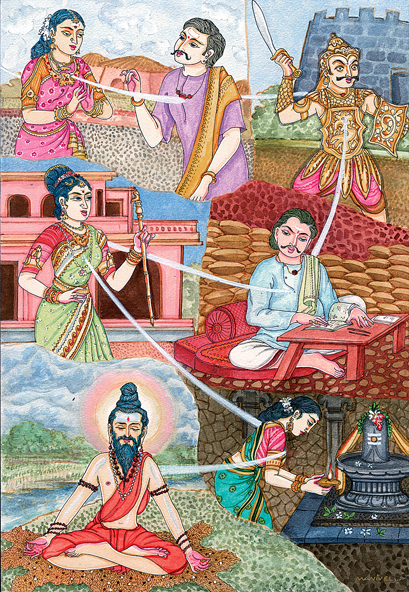
Quick Answer
Reincarnation is the belief that a person’s consciousness or soul continues after death by entering a new body. While not scientifically proven, many use this concept to reflect on past lives for healing, clarity, and personal development through guided meditation or intuitive exploration.
Key Takeaways
- Start with short meditations—5–10 minutes—and build up gradually.
- Never force an image or memory; let them come naturally.
- Keep a notebook handy to record insights as soon as you wake up.
- Understanding why you react strongly to certain people or situations.
- Healing deep-seated fears or phobias by exploring their possible origins.
Troubleshooting & Solutions
Common Problems & Solutions
Why this happens
You may carry unresolved emotional wounds from past lives that influence your current relationships, causing similar conflicts or attractions to certain types of people.
How to fix it
- 1Keep a journal of recurring relationship issues or emotions you feel strongly about.
- 2Practice guided past-life regression meditation using a trusted recording.
- 3Identify emotional triggers and write them down with associated feelings.
- 4Work with a therapist trained in transpersonal psychology if patterns persist.
Mistakes to avoid
- Assuming every strong emotion means a past-life connection without reflection.
- Jumping into past-life stories without grounding in present emotions.
When to seek help: Consider seeing a licensed therapist specializing in depth psychology or past-life therapy if emotional distress increases.
Frequently Asked Questions
There's no scientific proof, but many spiritual traditions believe in it. For practical purposes, its value lies in how it helps you reflect, heal, and grow—not whether it's literally true.
Sources & References
- [1]Reincarnation — Wikipedia
Wikipedia, 2026