Quick Answer
Rome is a vibrant Italian city rich with ancient history, delicious food, and iconic landmarks. Whether you're exploring the Colosseum or navigating public transit, planning ahead helps you avoid crowds and make the most of your trip.
Key Takeaways
- Wear comfortable shoes—Rome is best explored on foot, often uphill or cobbled.
- Carry small Euro coins for metro turnstiles that require exact change.
- Learn basic Italian phrases like 'Grazie' and 'Dove si trova?'—locals appreciate the effort.
- Visiting the Colosseum, Roman Forum, and Palatine Hill early morning to avoid heat and crowds.
- Enjoying aperitivo at sunset along the Tiber River with friends.
Troubleshooting & Solutions
Common Problems & Solutions
Why this happens
The ancient layout of Rome doesn’t follow modern street grids, and narrow alleys can be confusing even with GPS. Crowds at major sites also make navigation difficult.
How to fix it
- 1Download offline maps (Google Maps or Maps.me) before entering the historic center.
- 2Stick to main pedestrian zones like Via del Corso or Piazza Navona when possible.
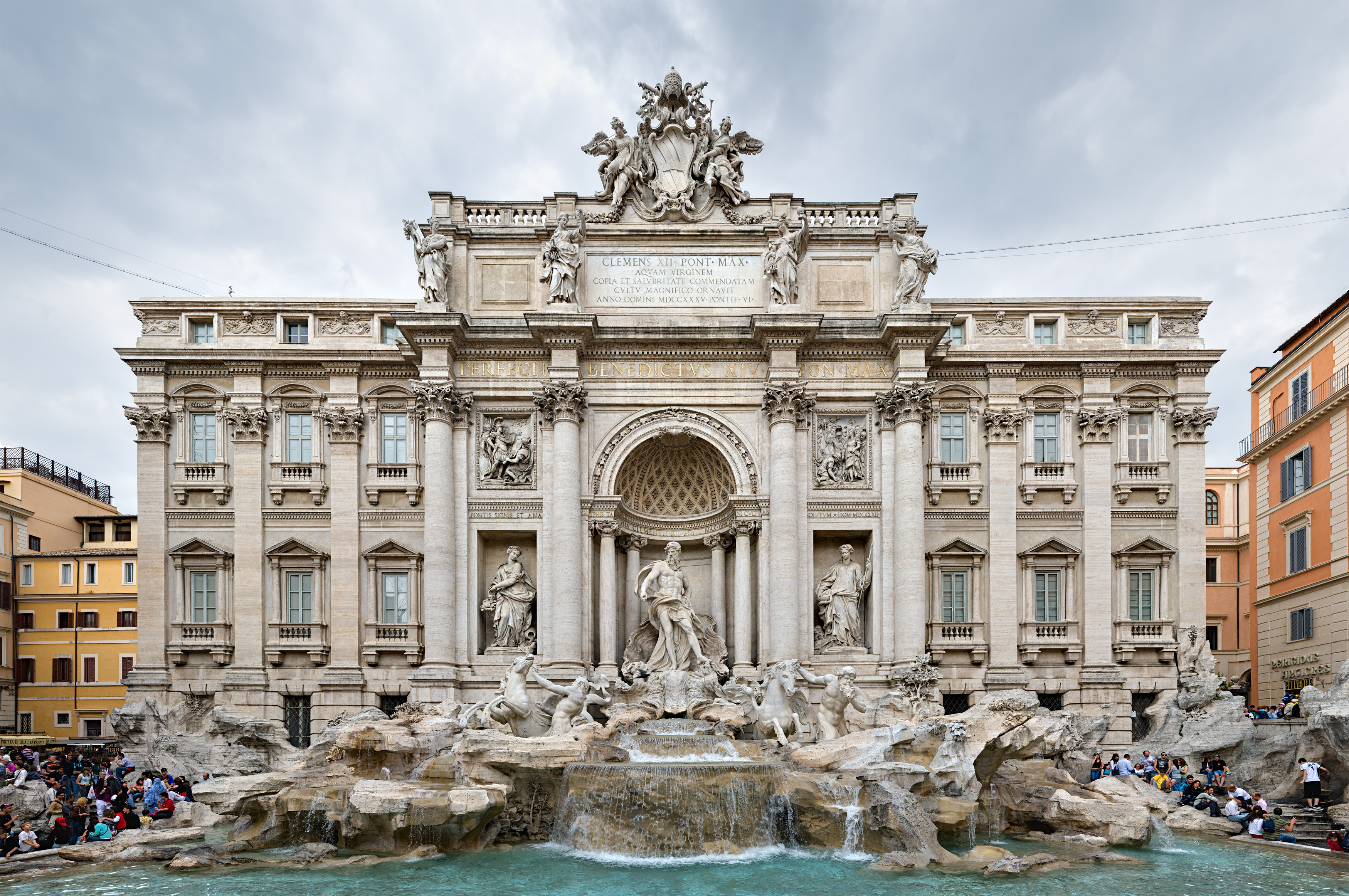
- 3Use well-marked signs pointing to key landmarks like Trevi Fountain or Pantheon.
Mistakes to avoid
- Relying solely on smartphone GPS inside buildings or underground areas
- Walking randomly without a plan—this increases time and stress
Frequently Asked Questions
Generally yes, but stick to well-lit, busy streets like Via dei Fori Imperiali or near major piazzas. Avoid quiet alleys after dark, especially near Termini Station.
Sources & References
- [1]Rome — Wikipedia
Wikipedia, 2026