Quick Answer
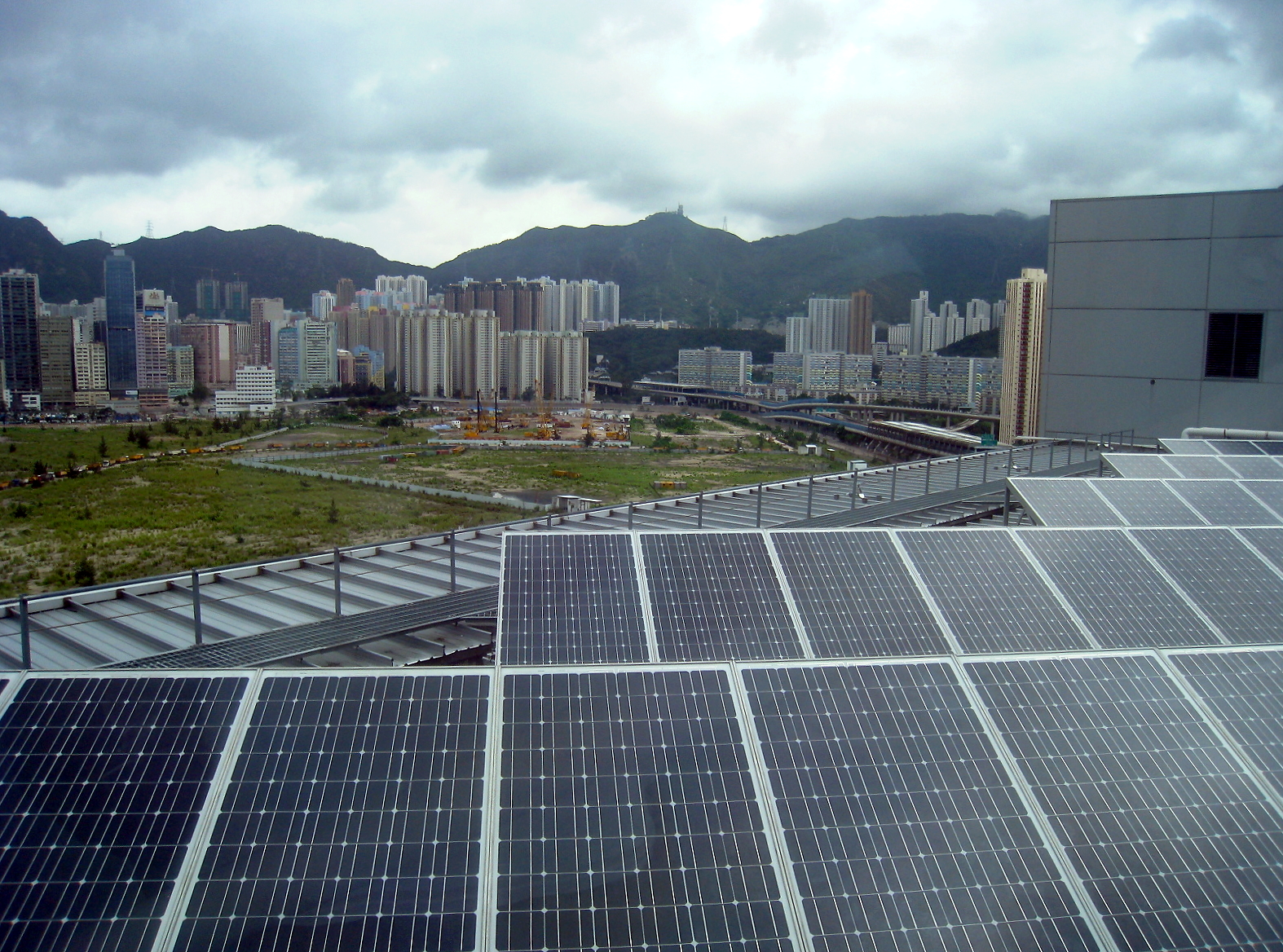
Solar power turns sunlight into electricity using panels that generate energy even on cloudy days. It can reduce your electric bill, increase home value, and work with batteries for backup power during outages.
Key Takeaways
- Start small: consider adding a few panels first to test how much you save.
- Install panels where they get the most sun—typically south-facing in the U.S.
- Keep trees trimmed to avoid shading during peak sunlight hours.
- Powering homes during daytime and nighttime with battery storage
- Charging electric vehicles at home with solar-generated electricity
Plain English Explanation
Solar power is a clean way to make electricity from the sun using rooftop panels. You can use it to run lights, appliances, and even charge devices. It’s especially useful in sunny areas but works anywhere with daylight. Many homeowners save money over time by cutting their utility bills and may get tax credits.
Step-by-Step Guides
How to Clean Solar Panels Safely and Effectively
- soft sponge
- mild soap
- bucket
- ladder (if roof access needed)
- lint-free cloth
Step-by-step guide
- 1
Turn off the system and let panels cool down completely.
- 2
Use a bucket of warm water mixed with mild soap.
- 3
Gently wipe each panel with a soft sponge or microfiber cloth.
- 4
Rinse thoroughly with clean water to remove soap residue.
- 5
Dry with a lint-free towel to prevent streaks.
How to Check Your Solar System’s Performance
- smartphone or computer
- internet access
Step-by-step guide
- 1
Access your monitoring app or meter to see today’s kWh production.
- 2
Compare output to your system’s rated capacity (e.g., 5 kW system should produce ~20 kWh on a sunny day).
- 3
Note any drops—especially if weather is clear—which may signal an issue.
- 4
Take photos of error lights on the inverter for reference.
Common Problems & Solutions
Dirt, snow, shading from trees, or misaligned panel angles can block sunlight and reduce output.
- 1Clean panels with water and a soft brush if covered in dirt or debris.
- 2Trim nearby tree branches to reduce shade during peak sun hours.
- 3Check panel tilt and adjust if possible—south-facing (in northern hemisphere) at your latitude is ideal.
- 4Use a multimeter to test voltage; if readings are low, inspect wiring or inverter.
- Using harsh chemicals or abrasive tools that scratch panels.
- Over-tightening clamps during maintenance, which can crack glass.
Pros & Cons
Pros
- Significantly lowers monthly electricity bills over time
- Increases property value and resale appeal
- Requires little maintenance after installation
- Reduces carbon footprint and dependence on fossil fuels
- Can provide reliable backup power with battery storage
Cons
- High upfront cost, though incentives and financing help
- Production drops on cloudy days or at night
- Needs space on roof or ground area
- Batteries add cost and require periodic replacement
- Installation requires professional expertise and permits
Real-Life Applications
Powering homes during daytime and nighttime with battery storage
Charging electric vehicles at home with solar-generated electricity
Running remote cabins or RVs without grid access
Feeding excess power back into the grid for credit via net metering
Providing emergency backup power during blackouts
Beginner Tips
- Start small: consider adding a few panels first to test how much you save.
- Install panels where they get the most sun—typically south-facing in the U.S.
- Keep trees trimmed to avoid shading during peak sunlight hours.
- Monitor your energy use to match panel size to your needs.
- Ask your installer about warranty and maintenance plans before buying.
Frequently Asked Questions
Yes, solar panels still generate electricity on cloudy days, though output is lower—usually 10–25% less than on sunny days.
Sources & References
- [1]Solar power — Wikipedia
Wikipedia, 2026
