Quick Answer
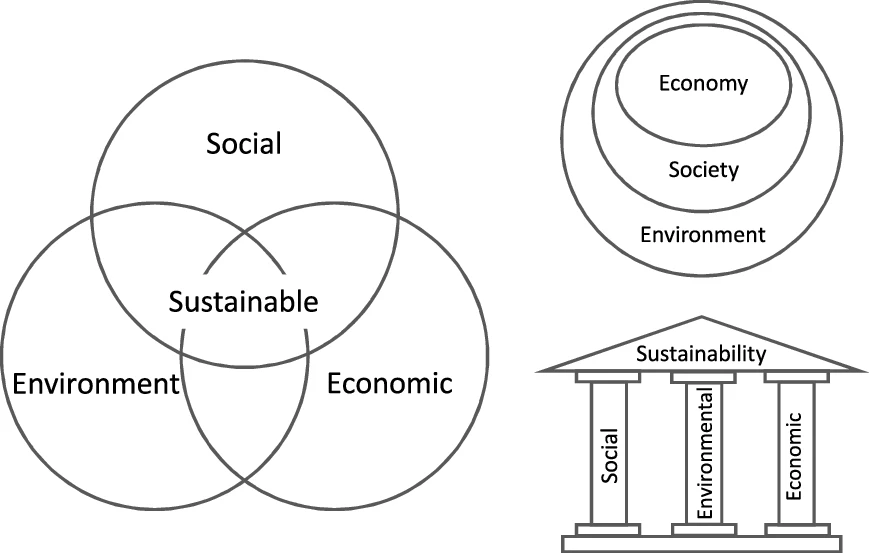
Sustainability means meeting today’s needs without harming future generations. You can practice it by reducing waste, saving energy, and making eco-friendly choices every day—like composting, biking instead of driving, and buying less plastic.
Key Takeaways
- Start with one change—like switching off lights when leaving a room—and build from there
- Check what your local recycling center accepts; not all plastics are recyclable
- Dryer balls made of wool or rubber last years and help clothes dry faster
- Using public transit, biking, or walking instead of driving short distances
- Installing a programmable thermostat to reduce heating/cooling waste
Start a home compost bin in 4 steps
What You'll Need
Choose a dry, shady spot outside for your compost bin or pile
Layer brown materials (dry leaves, paper) with green materials (food scraps, grass clippings)
Keep it moist but not soggy—like a damp sponge—and turn it weekly
Harvest finished compost in 2–6 months to use as garden fertilizer
Troubleshooting & Solutions
Common Problems & Solutions
Food spoils because it’s not stored properly, meals are over-planned, or leftovers aren’t used before they go bad.
- 1Store fruits and veggies correctly (e.g., keep potatoes in a cool dark place, store greens in breathable bags)
- 2Plan meals weekly and make a shopping list to avoid buying extra
- 3Use leftovers creatively (e.g., turn stale bread into breadcrumbs or toast)
- Buying too much produce on impulse
- Throwing away edible scraps like carrot tops or eggshells
Frequently Asked Questions
It means making choices that don’t drain natural resources faster than they can renew—like using less water, generating less trash, and supporting fair labor practices.
Sources & References
- [1]Sustainability — Wikipedia
Wikipedia, 2026