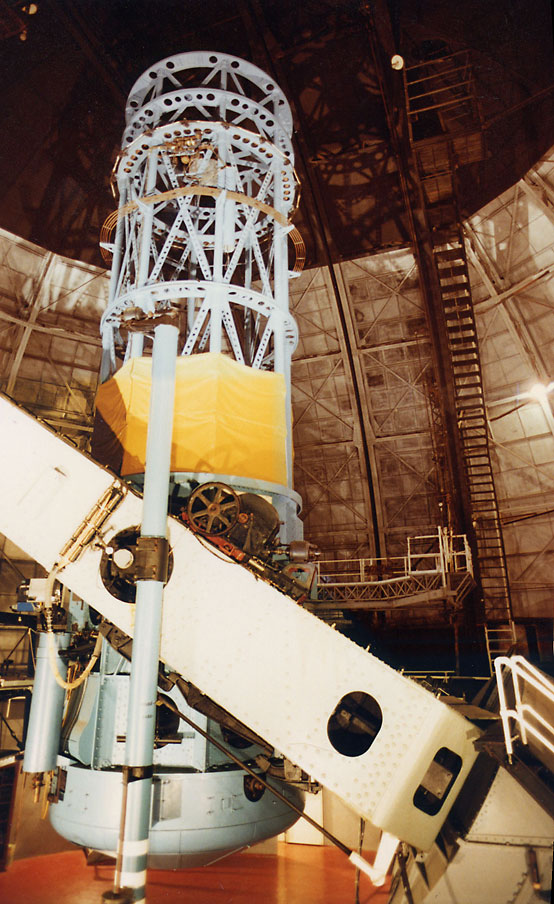
Quick Answer
A telescope helps you see distant objects like stars, planets, and galaxies clearly. Whether you're a beginner or experienced, choosing the right type—refractor, reflector, or compound—and learning how to use it properly makes all the difference in your viewing experience.
Key Takeaways
- Start with a low-magnification eyepiece to get familiar with the view.
- Observe on clear, moonless nights for the best contrast.
- Use red flashlights to preserve night vision while setting up.
- Stargazing with family or friends in your backyard
- Educational tool for kids learning about space and planets
Plain English Explanation
In real life, a telescope is more than just a scientific tool—it's a window to the night sky that lets you explore the moon’s craters, Saturn’s rings, or deep-sky nebulas from your own backyard. It turns dark, distant light into something you can actually see and enjoy, whether for hobby, education, or relaxation.
Step-by-Step Guides
How to Set Up and Use Your First Telescope
- Telescope
- Eyepieces
- Finder scope
- Star chart app
Step-by-step guide
- 1
Unpack carefully and lay out all components: tube, mount, tripod, eyepieces, and finderscope.
- 2
Assemble the tripod and attach the mount head securely.
- 3
Align the finderscope by centering a bright star during the day or at night.
- 4
Insert the lowest power eyepiece (e.g., 25mm) and locate a bright star or planet.
Common Problems & Solutions
This usually happens due to misalignment (collimation), dirty optics, or using the wrong magnification for the object being viewed.
- 1Check if the primary mirror or lens is clean; gently wipe with a microfiber cloth if needed.
- 2Ensure proper collimation—align mirrors in reflectors or check lens alignment in refractors.
- 3Try lower magnification first; high magnification distorts image quality unless atmospheric conditions are steady.
- Using high-power eyepieces on faint or distant targets without clear skies.
- Not allowing time for the telescope to cool down to ambient temperature before observing.
Pros & Cons
Pros
- Allows detailed views of celestial objects like Jupiter’s moons and lunar craters
- Can be used for both visual observation and astrophotography
- Encourages outdoor activity and connection with nature
- Provides long-term educational value for children and adults
Cons
- Weather-dependent—clouds and light pollution reduce usability
- Initial cost and maintenance can be expensive
- Requires setup time and some technical knowledge to operate effectively
Real-Life Applications
Stargazing with family or friends in your backyard
Educational tool for kids learning about space and planets
Astrophotography of the Moon and bright deep-sky objects
Tracking weather patterns via cloud formations and sunspots
Participating in citizen science projects like variable star monitoring
Beginner Tips
- Start with a low-magnification eyepiece to get familiar with the view.
- Observe on clear, moonless nights for the best contrast.
- Use red flashlights to preserve night vision while setting up.
- Keep notes in a logbook or digital app to track observations over time.
- Join a local astronomy club for guided sessions and equipment sharing.
Frequently Asked Questions
Refractors use lenses and are great for planetary viewing; reflectors use mirrors and are better for deep-sky objects like nebulas. Reflectors generally offer larger apertures for less money.
Sources & References
- [1]Telescope — Wikipedia
Wikipedia, 2026