Quick Answer
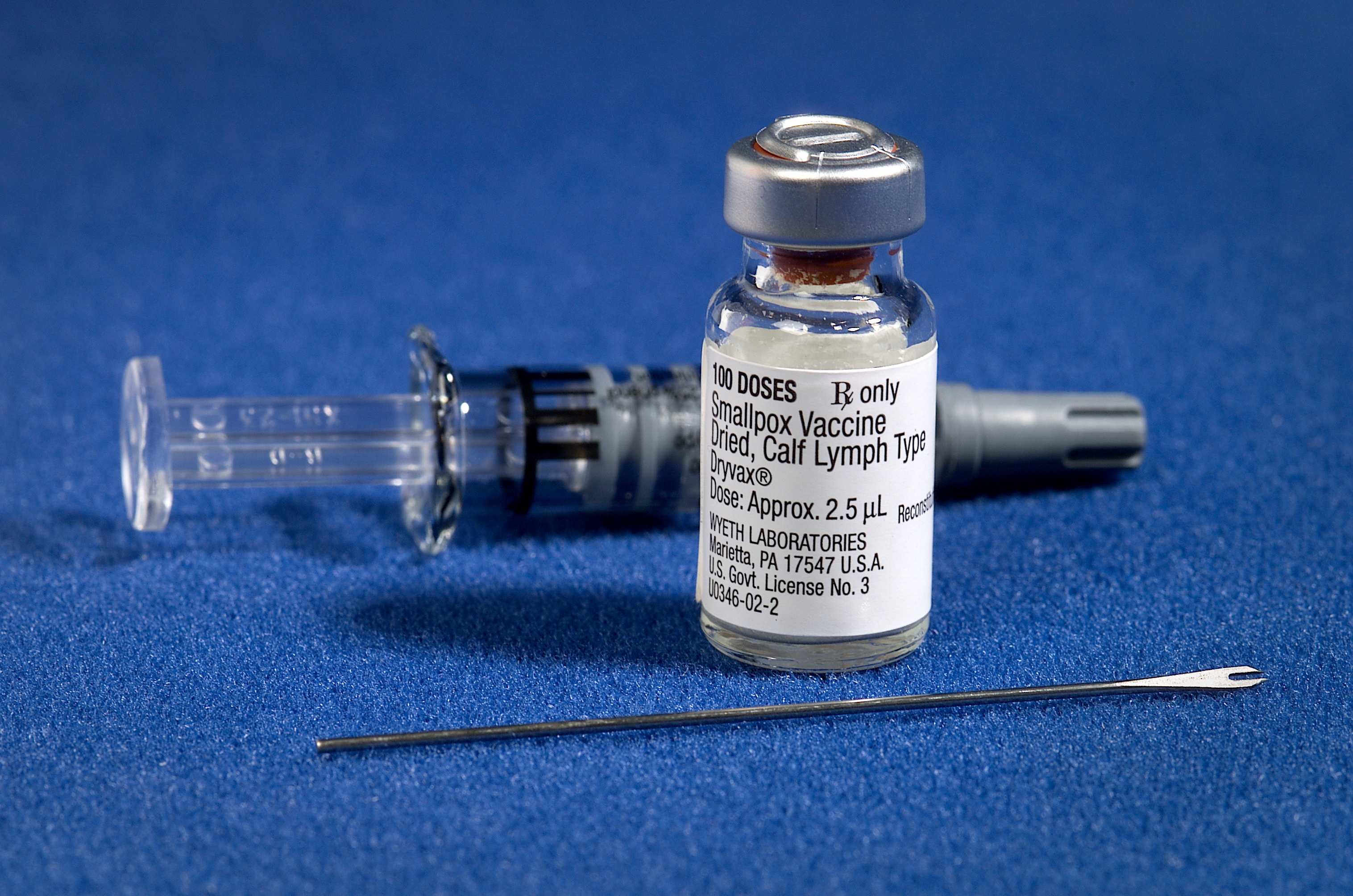
Vaccines train your immune system to fight diseases without making you sick. They’re safe, effective, and recommended for protecting yourself and others from serious illnesses like flu, COVID-19, measles, and more.
Key Takeaways
- Keep your vaccine records updated and carry them when traveling.
- Set calendar reminders for booster shots and childhood vaccines.
- Talk to your doctor about any medical conditions that might affect vaccination timing.
- Preventing seasonal flu outbreaks in schools and workplaces
- Protecting newborns who can’t yet be vaccinated through herd immunity
Plain English Explanation
In real life, vaccines are like a practice run for your body’s defense team. When you get a shot, your immune system learns to recognize and fight off germs that cause diseases—so if you're ever exposed later, your body is ready. Most vaccines prevent serious illness, hospitalization, or spreading disease to vulnerable people around you.
Step-by-Step Guides
How to prepare your child for their first vaccine appointment
- Vaccine record card
- Comfort item for child
- Snacks or drinks for waiting
Step-by-step guide
- 1
Check the vaccine schedule for your child’s age from the CDC or pediatrician.
- 2
Schedule appointments during calm times—avoid sick days or travel.
- 3
Bring comfort items like a favorite toy or blanket.
- 4
Arrive early to reduce wait time and stress.
Common Problems & Solutions
Your body is building immunity, which triggers a mild immune response. This is normal and means the vaccine is working.
- 1Give acetaminophen (Tylenol) if recommended by your doctor, especially for babies.
- 2Apply a clean, cool cloth to the injection site to ease soreness.
- 3Keep the child comfortable with light clothing and rest.
- Don’t give aspirin to children under 18 due to risk of Reye’s syndrome.
- Avoid applying heat immediately—it can worsen inflammation.
Pros & Cons
Pros
- Highly effective at preventing serious diseases
- Cost-effective compared to treating illness
- Protects not just individuals but entire communities
Cons
- Mild side effects like fever or soreness may occur temporarily
- Not 100% effective for everyone due to individual immune differences
- Access can be limited in underserved areas
Real-Life Applications
Preventing seasonal flu outbreaks in schools and workplaces
Protecting newborns who can’t yet be vaccinated through herd immunity
Reducing hospitalizations during flu and cold seasons
Enabling international travel safely
Containing disease spread during public health emergencies
Beginner Tips
- Keep your vaccine records updated and carry them when traveling.
- Set calendar reminders for booster shots and childhood vaccines.
- Talk to your doctor about any medical conditions that might affect vaccination timing.
- Stay hydrated before vaccination to help your body respond better.
- Don’t skip doses—vaccines often require multiple shots for full protection.
Frequently Asked Questions
Yes—vaccines go through years of testing and continuous monitoring by health agencies like the CDC and FDA to ensure they’re safe and effective.
Sources & References
- [1]Vaccine — Wikipedia
Wikipedia, 2026