Quick Answer
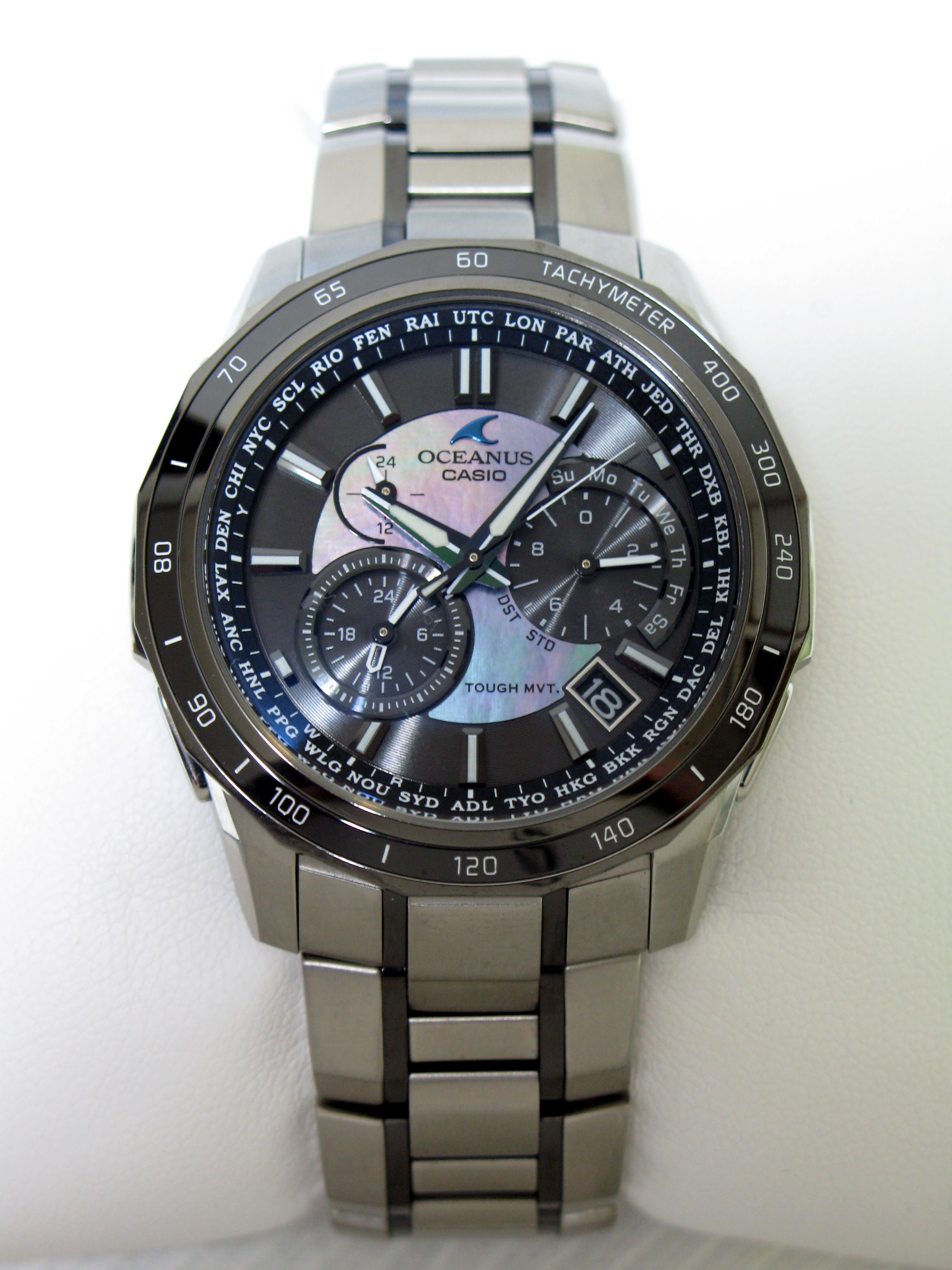
A watch is a portable timepiece worn on the wrist or carried in a pocket. It keeps time accurately despite movement and comes in styles like analog, digital, and smartwatches. Regular care and proper use help maintain its function and longevity.
Key Takeaways
- Choose a watch with at least water resistance if you swim or exercise often
- Match strap material to your lifestyle—leather for dress, silicone for sports
- Learn how to wind an automatic watch if it stops moving
- Tracking daily activity and steps during exercise
- Timing workouts or cooking without phone access
Plain English Explanation
In everyday life, a watch helps you stay on schedule, track workouts, coordinate meetings, and even monitor health. Whether it's a classic leather-strapped analog watch or a feature-packed fitness tracker, your watch fits into routines like commuting, exercising, or dressing up. Understanding how to wear, clean, and fix minor issues makes it last longer and perform better.
Step-by-Step Guides
How to change a watch battery safely
- Small flathead screwdriver
- Tweezers
- Replacement battery
Step-by-step guide
- 1
Turn off the watch and remove the back carefully using a small screwdriver or pry tool
- 2
Note the old battery’s orientation (positive side up/down)
- 3
Use tweezers to gently lift out the old battery
- 4
Insert new battery matching the same type (e.g., CR2032)
How to clean a dirty watch face and strap
- Microfiber cloth
- Cotton swabs
- Mild soap
- Soft toothbrush
Step-by-step guide
- 1
Wipe glass with microfiber cloth to remove dust
- 2
Dampen cotton swab with water or isopropyl alcohol
- 3
Gently scrub bezel and crevices
- 4
Clean strap separately: leather with conditioner, metal with toothbrush and soapy water
Common Problems & Solutions
Mechanical watches can lose time due to lack of winding, magnetism, or worn gears. Digital watches may have dead batteries or inaccurate internal clocks.
- 1Check battery level (for digital watches)
- 2Ensure mechanical watch is wound fully (if manual)
- 3Avoid strong magnets like speakers or phones
- 4Have it serviced by a watchmaker every few years
- Ignoring regular winding in automatic watches
- Placing watch near electronics that emit magnets
Pros & Cons
Pros
- Hands-free timekeeping while walking or working
- Long-lasting mechanical models with collectible value
- Smartwatches offer notifications, GPS, and health tracking
- Adds personal style and complements clothing
- No need to pull out phone repeatedly
Cons
- Digital watches require frequent charging or battery replacement
- Fragile glass crystals can scratch or shatter easily
- Expensive to maintain or repair
- Risk of losing or damaging if not secured properly
- Not always accurate without calibration
Real-Life Applications
Tracking daily activity and steps during exercise
Timing workouts or cooking without phone access
Coordinating group plans when meeting outdoors
Monitoring heart rate and sleep patterns (smartwatches)
Adding style and finishing touch to formal or casual outfits
Beginner Tips
- Choose a watch with at least water resistance if you swim or exercise often
- Match strap material to your lifestyle—leather for dress, silicone for sports
- Learn how to wind an automatic watch if it stops moving
- Store watch away from magnets like speakers or credit card holders
- Keep a record of service dates to stay on top of maintenance
Frequently Asked Questions
Start with a simple quartz watch—it’s affordable, accurate, low-maintenance, and doesn’t need winding.
Sources & References
- [1]Watch — Wikipedia
Wikipedia, 2026