Quick Answer
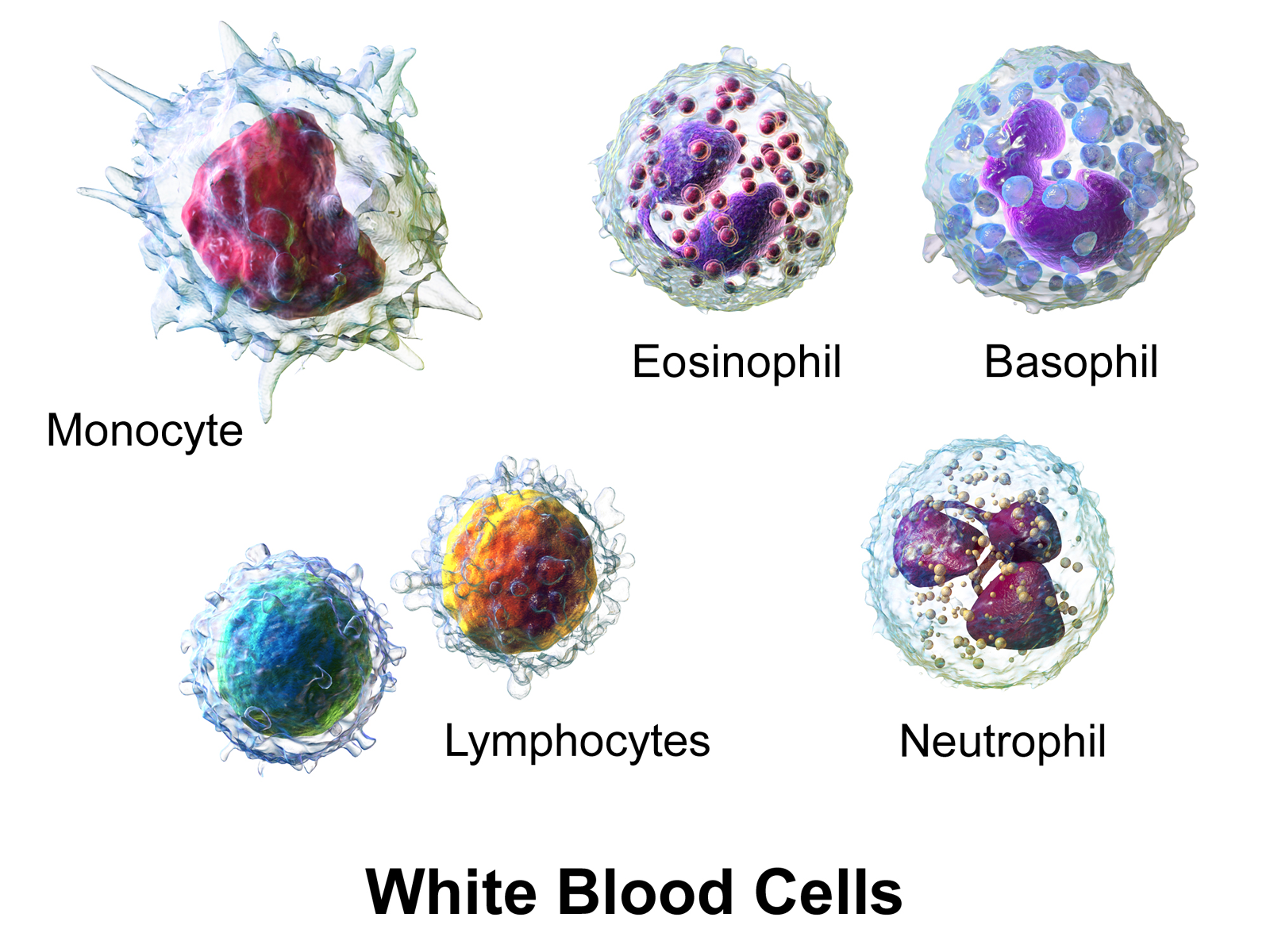
White blood cells fight infections and foreign invaders in your body. You can support them by eating nutrient-rich foods, staying hydrated, managing stress, and getting enough sleep.
Key Takeaways
- Sleep in a cool, dark room to improve immune-regulating melatonin levels
- Wash hands frequently but avoid overusing antibacterial soaps
- Eat fermented foods like yogurt or kimchi to feed beneficial gut bacteria that support immunity
- Detecting and fighting bacterial infections like strep throat
- Destroying cancer cells through targeted immune response
Troubleshooting & Solutions
Common Problems & Solutions
Why this happens
Low white blood cell count (leukopenia) can result from poor nutrition, chronic stress, lack of sleep, or underlying conditions like autoimmune disorders.
How to fix it
- 1Eat more protein-rich foods like eggs, fish, beans, and lean meat
- 2Include immune-boosting nutrients: vitamin C (citrus, bell peppers), zinc (pumpkin seeds, lentils), and vitamin D (fatty fish, sunlight)
- 3Prioritize 7–9 hours of quality sleep each night
Mistakes to avoid
- Overusing antibiotics unnecessarily
- Skipping meals or following crash diets
When to seek help: See a doctor if infections happen weekly or last longer than usual—they may test your white blood cell count.
Frequently Asked Questions
Protein-rich foods like chicken and lentils, plus vitamin C (oranges, kiwi), zinc (nuts, seeds), and probiotics (yogurt, sauerkraut) support white blood cell production.
Sources & References
- [1]White blood cell — Wikipedia
Wikipedia, 2026